Finding the perfect greenery for dimly lit rooms can sometimes feel like a daunting task. However, the world of horticulture is vast and varied, offering a plethora of easy houseplants for low light conditions. These adaptable varieties can bring life to the darkest corners of your home, creating an oasis of calm and tranquility.
Whether you’re an experienced plant parent or just starting out, there are numerous options that won’t demand hours of daily sunlight. This article will guide you through 12 easy houseplants that thrive in low light, ensuring you can enjoy a touch of nature indoors, regardless of your home’s lighting conditions.
Table of Contents
- What Are The Best Houseplants for Low-Light Conditions?
- How Do I Care for Low-Light Indoor Plants?
- Which Plants Thrive in Very Low Light?
- What Are the Characteristics of Low Light Plants?
- Can You Grow Houseplants in Dark Rooms?
- What Is the Most Low-Maintenance Indoor Plant?
- Which Indoor Plants Require the Least Amount of Light?
- Further Insights on Caring for Easy Houseplants in Low Light
What Are The Best Houseplants for Low-Light Conditions?
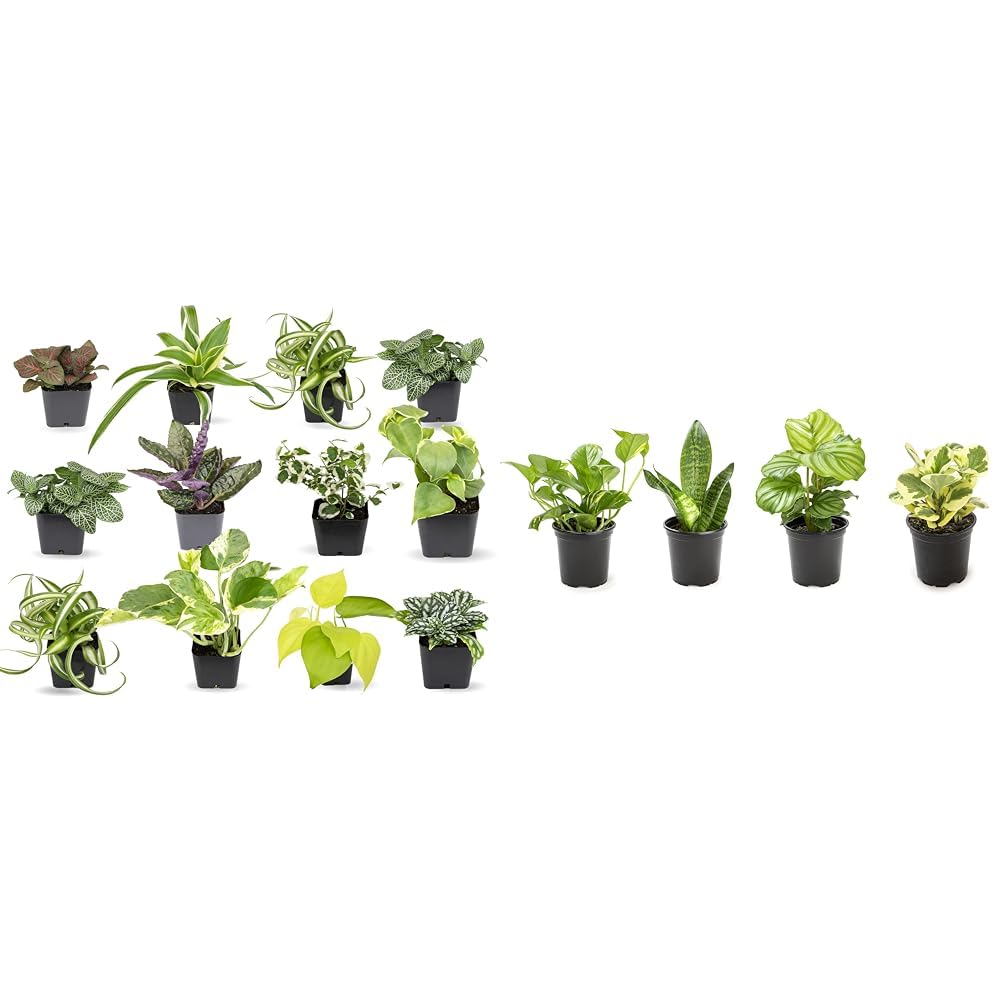
Some plants have adapted to flourish under the canopy of larger trees, making them ideal for areas in your home that lack direct sunlight. The Blue Star Fern and Stromanthe Triostar are excellent examples, as they can tolerate low light while still maintaining their lush appearance.
Other noteworthy options include the Philodendron Prince of Orange for its colorful foliage, and Aglaonema Wishes, which is known for its striking leaves and adaptability to low-light environments. The Calathea Musaica, with its intricate leaf patterns, also prefers shaded areas and can add a touch of sophistication to any room.
When selecting low-light houseplants, it’s important to consider their water requirements and humidity preferences as well. Many low-light plants come from naturally moist, understory environments and may require regular misting or a pebble tray to maintain the humidity they crave.
How Do I Care for Low-Light Indoor Plants?
Caring for indoor plants that thrive in low light doesn’t have to be complicated. Most prefer to be watered less frequently, as their reduced light intake means slower growth and less water usage. It’s crucial to allow the soil to dry out slightly between waterings to prevent root rot.
Additionally, these plants often benefit from a boost in humidity, which can be provided through misting or using a humidifier. Cleaning their leaves with a damp cloth not only keeps them dust-free but also allows them to absorb light more efficiently.
Feeding them with a balanced, water-soluble fertilizer during the growing season will ensure they have all the nutrients they need. However, be sure to follow the recommended dilution rates, as over-fertilization can be harmful, especially when plants are not in their prime growing conditions.
Which Plants Thrive in Very Low Light?
In the realm of houseplants, certain species are champions at surviving in very low light. The Snake Plant, for instance, is notoriously hardy and can cope with minimal light while purifying the air. Similarly, the ZZ Plant has a reputation for its resilience and can go weeks without water, making it a favorite among forgetful plant owners.
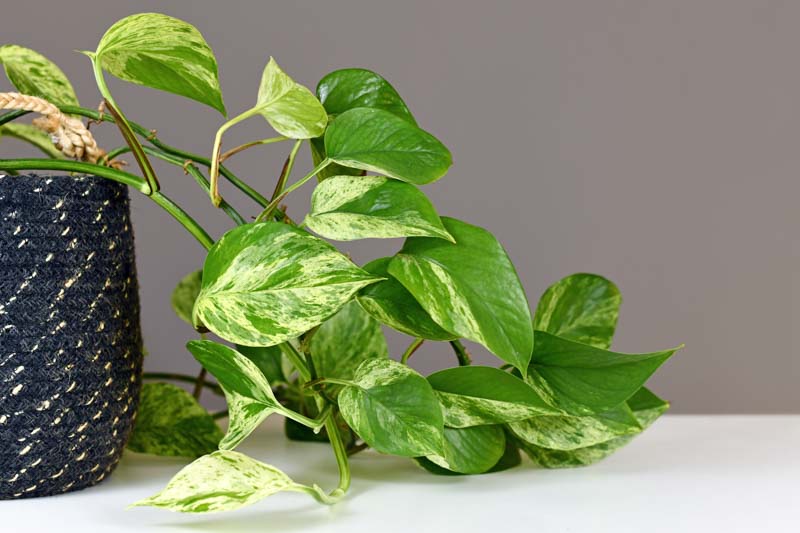
For those who appreciate trailing plants, the Pothos and the Spider Plant are capable of thriving in low light while adding a vertical element to your decor. Both are also known for their air-purifying qualities, which is an added bonus.
The Peace Lily is another wonderful addition, with its lush foliage and occasional white blooms that can brighten up any shady spot. Though it prefers more light to flower profusely, it will still grow well in dimmer conditions.
What Are the Characteristics of Low Light Plants?
The typical characteristics of low light plants include broad, dark green leaves that can absorb the maximum amount of light available. Many also have a more compact growth habit, which prevents them from becoming leggy as they stretch for light.
These plants often originate from forest floors or tropical understories, where sunlight is naturally filtered through the canopy. As a result, they’ve adapted to be efficient in using what little light they receive.
An interesting adaptation of some low-light plants is their ability to store water in their leaves or stems, which helps them manage through periods of drought or low water availability. Succulents like the ZZ Plant are a perfect example of this feature.

Can You Grow Houseplants in Dark Rooms?
While no plant can survive in total darkness, many can tolerate and even thrive in rooms with little natural light. The key is to select species that are naturally low-light tolerant and to provide them with the right care.
Some houseplants that are particularly suited to dark rooms include the aforementioned Snake Plant and ZZ Plant, as well as the hearty Cast Iron Plant. These species are not only durable but can also help to purify the air.
For plant lovers who want to maximize their chances of success in dark rooms, it can be helpful to use grow lights. These artificial light sources can provide the necessary spectrum of light for photosynthesis and plant growth, without relying on natural sunlight.
What Is the Most Low-Maintenance Indoor Plant?
If you’re seeking the champion of low-maintenance plants, look no further than the Snake Plant. Known for its upright, sword-like leaves, this plant is incredibly forgiving and can go for weeks without water. It’s also one of the top plants for improving indoor air quality, as it filters out toxins like formaldehyde and benzene.
Another contender for the title of most low-maintenance indoor plant is the ZZ Plant, with its glossy, oval-shaped leaves and ability to withstand periods of drought. Both of these plants are ideal for beginners or those with busy lifestyles.
Which Indoor Plants Require the Least Amount of Light?
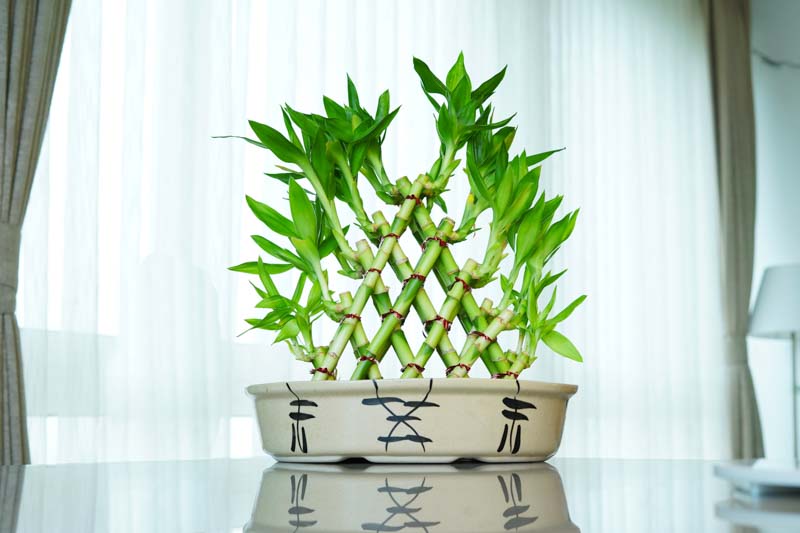
For rooms with minimal light, certain plants are particularly well-suited. The previously mentioned ZZ Plant and Snake Plant are top choices, but others like the Lucky Bamboo and Ferns are also worth considering.
Lucky Bamboo can grow in just water and prefers indirect light, making it a versatile choice for dimly lit areas. Ferns, while requiring a bit more humidity, are another group of plants that are accustomed to the low-light conditions of forest floors.

It’s essential to remember that while these plants can survive in low light, they will not thrive as they would in brighter conditions. Thus, giving them the occasional respite in a brighter area can help maintain their vigor.
Inserting an informative video can help illustrate the beauty and simplicity of caring for low-light houseplants:
Further Insights on Caring for Easy Houseplants in Low Light
What Are the Easiest Low Light Indoor Plants?
The easiest low light indoor plants are those that require minimal care yet offer a visually appealing aspect. The Snake Plant and ZZ Plant top the list, renowned for their ability to handle neglect and still look attractive.
Other easy options include the Spider Plant and Pothos, which are not only easy to care for but also excellent at purifying the air. These plants are ideal for beginners or anyone looking for a low-maintenance addition to their home.
What Is the Best Indoor Plant for a Dark Room?
The best indoor plant for a dark room would have to be resilient and adaptable. The Cast Iron Plant earns its name for its nearly indestructible nature and can handle low-light conditions exceptionally well.
Another great choice is the Peace Lily, as it can still produce flowers in lower light, albeit less frequently. With its broad leaves and occasional blooms, it’s a plant that can bring elegance to any dimly lit space.

What Is the Easiest Indoor House Plant?
When discussing the easiest indoor house plant, the Snake Plant once again comes out on top due to its minimal water and light needs. Its ability to withstand fluctuating temperatures and to go for extended periods without water makes it the ultimate choice for ease of care.
Moreover, its air-purifying qualities make it more than just a decorative element—it’s a functional addition to any home.
What Is the Easiest Indoor Tree to Keep Alive?
The easiest indoor tree to keep alive is likely the Ponytail Palm. Despite being called a palm, it’s actually a succulent, which means it’s forgiving when it comes to watering schedules. It prefers bright light but can tolerate lower light levels, making it a versatile choice for a range of indoor environments.
With its distinctive tuft of leaves atop a thick, bulbous trunk, it’s a conversation starter and an easy-care plant all in one.
Whether you’re a beginner or a seasoned plant enthusiast, incorporating 12 easy houseplants for low light into your home doesn’t have to be a challenge. With the right selections and care, you can transform any low-light room into a verdant retreat that soothes the soul and brings nature indoors.