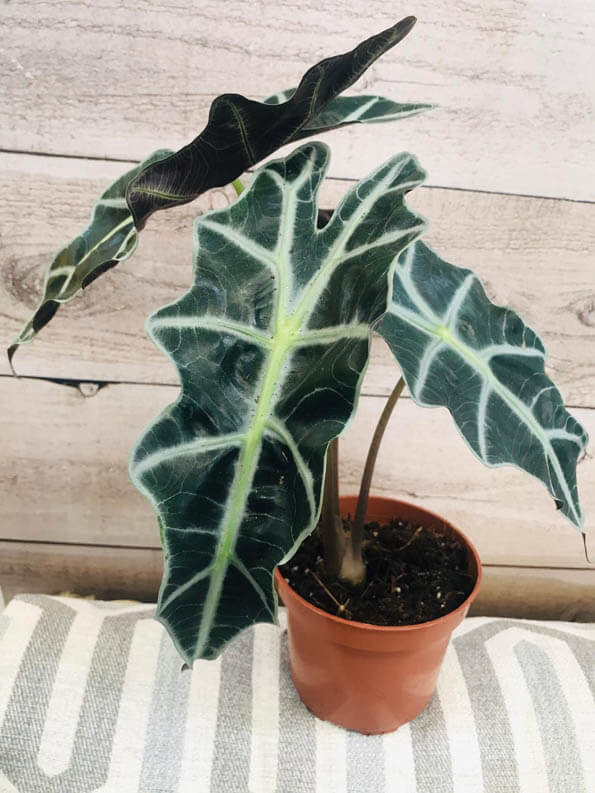
The Alocasia, also known as the Kris Plant or Elephant Ear, is a fascinating addition to the houseplant community, with its unique foliage that commands attention. Whether you’re a seasoned gardener or a beginner, understanding the essentials of Alocasia care can transform your indoor gardening experience.
A member of the Araceae family, the Alocasia is not only known for its stunning appearance but also for its particular care requirements. With the proper knowledge and tools, you can nurture these tropical beauties to thrive in your home environment.
Table of Contents
- What is the best care guide for Alocasia (Kris plant / Elephant ear)?
- How to propagate your kris plant successfully?
- What are the common problems with kris plants?
- How do you achieve the best growing conditions for your Kris plant?
- How to pot and repot your Kris plant?
- How to get your Kris plant to bloom?
- Related Questions on Alocasia Care
What is the best care guide for Alocasia (Kris plant / Elephant ear)?
When it comes to caring for your Alocasia, providing bright indirect light, consistent moisture, and high humidity is crucial. The ideal watering schedule involves allowing the soil to dry slightly between waterings, typically around 0.5 cups of water every 9 days. Fertilization is another aspect to consider, with applications recommended every 1-2 months during the growing season.
Positioning your Alocasia less than 3 feet from a south-facing window can offer the optimal light exposure it craves. However, direct sunlight should be avoided to prevent leaf burn. A well-draining soil mix will support the plant’s growth without retaining excessive moisture that could lead to rot.
The Alocasia’s toxic nature means it should be placed out of reach of children and pets. Observing the plant for signs of distress, such as yellowing leaves, can help you adjust care practices before issues escalate.

How to propagate your kris plant successfully?
Propagating an Alocasia can be a rewarding project. The most effective method is through root division in the spring or early summer. Carefully separate a section of the plant with a healthy root system and pot it in a similar soil mixture. Keep the newly potted division in a warm, humid environment with indirect light to encourage growth.
It’s important to be gentle during the propagation process since the roots can be delicate. Using sterilized tools can prevent the introduction of diseases, ensuring a healthy start for your new Alocasia plant.
What are the common problems with kris plants?
Even with the best care, Alocasia plants can encounter issues. Overwatering and underwatering are common culprits, often indicated by yellowing or drooping leaves. Pests such as spider mites and mealybugs can also be problematic, requiring prompt attention.
Bacterial leaf spots can mar the appearance of the foliage, and it’s essential to remove any affected leaves to prevent the spread of disease. Adequate airflow and avoiding wet leaves can minimize the risk of bacterial and fungal infections.
How do you achieve the best growing conditions for your Kris plant?
Alocasia plants prefer a warm, humid environment that mimics their native tropical habitat. Ensuring high humidity can be achieved by placing a humidifier nearby or regularly misting the plant. However, misting should be done with care to prevent excess moisture on the leaves.
Bright indirect light is essential for Alocasia growth. If your home doesn’t receive adequate natural light, consider using grow lights to supplement. Temperature consistency is also important, with a preference for warmer conditions and avoidance of drafts or sudden temperature changes.
How to pot and repot your Kris plant?
- Select a pot that is only slightly larger than the existing one, ensuring it has ample drainage holes.
- Use a well-draining soil mix to provide the right balance of moisture retention and aeration.
- Gently remove the plant from its current pot, taking care not to damage the roots.
- Trim off any dead or rotting roots with sterilized tools.
- Place the plant in the new pot with fresh soil, tamping down lightly to remove air pockets.
Repotting is best done in the spring when the plant is entering its growth phase. This can stimulate new growth and give your Alocasia a fresh start for the season.
How to get your Kris plant to bloom?
While Alocasia is primarily grown for its foliage, some species can produce flowers. Ensuring that the plant’s basic needs are met is the first step to encouraging blooming. Adequate light, water, and fertilizer can support the overall health of the plant, potentially leading to the development of blooms.
Be patient, as not all Alocasia will flower indoors, and those that do may not bloom regularly. Focus on maintaining the health of the foliage, and consider any flowers a pleasant bonus.
Related Questions on Alocasia Care
How do you care for Alocasia Kris?
To care for Alocasia Kris, provide it with consistent moisture without overwatering, maintain high humidity, and place it in an area with bright, indirect light. It’s essential to monitor the plant for signs of stress and adjust your care routine accordingly.
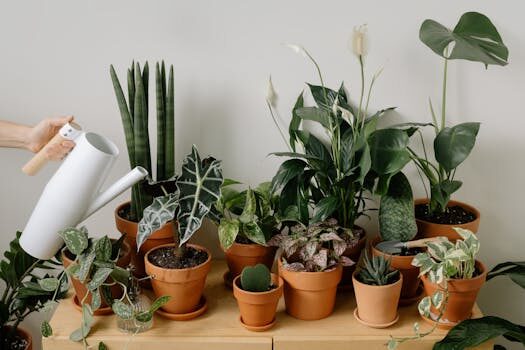
During the active growing season, feed your Alocasia with a balanced fertilizer every 1-2 months to support its growth. Remember, this plant’s toxic nature requires careful placement in your home.
Are Alocasia and elephant ears the same plant?
Alocasia is often confused with the elephant ear plant, but they are distinct species within the same family. While they share some similarities in appearance, each has unique care requirements and characteristics.
Alocasia plants generally have more pronounced veins and a glossier leaf surface compared to the elephant ear plant. Understanding these differences can help ensure you provide the appropriate care for your specific plant.
How big do Kris plants get?
Kris plants can reach impressive sizes, with some varieties growing up to 6 feet tall. Their spread can also be considerable, so it’s important to allocate enough space for your Alocasia to grow without being cramped.
Keep in mind that growth can be limited when kept indoors, with most houseplant varieties achieving a more modest size. Regular repotting and adequate care can promote healthy development and potentially larger plants.

By adhering to these care guidelines and addressing any issues promptly, your Alocasia can flourish, adding an exotic and lush touch to your indoor space.