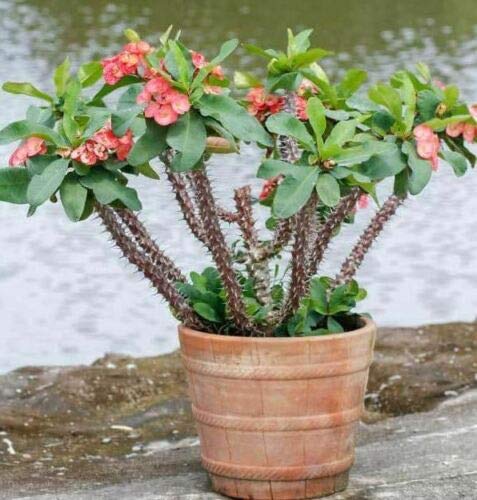
The Crown of Thorns plant, known scientifically as Euphorbia milii, is a fascinating succulent that boasts a unique combination of beauty and resilience. Native to Madagascar, this plant is a popular choice for both indoor and outdoor gardening, thanks to its striking appearance and low maintenance requirements.
With its vibrant flowers and imposing thorns, the Crown of Thorns is not only a plant of contrasts but also of deep cultural significance. In this Crown of Thorns (Euphorbia milii) Guide, we’ll explore everything you need to know to grow and care for this remarkable plant.
Table of Contents
- What Is the Crown of Thorns (Euphorbia Milii) and Its Origins?
- How To Properly Care For The Crown Of Thorns Plant?
- What Are The Common Types Of Crown Of Thorns Varieties?
- How To Prune And Propagate The Crown Of Thorns Effectively?
- What Are The Ideal Conditions For Crown Of Thorns Growth?
- How To Manage Common Pests And Diseases In Crown Of Thorns?
- What Are The Unique Features Of Crown Of Thorns Flowers?
- Related Questions on Crown of Thorns Care
What Is the Crown of Thorns (Euphorbia Milii) and Its Origins?
The Crown of Thorns, also known as the Christ Plant, is a perennial shrub that can grow up to six feet tall when planted outdoors in optimal conditions. Originating from the red island of Madagascar, it has adapted to a variety of climates and is now found in many tropical and subtropical regions worldwide.
Its name, Euphorbia milii, comes from the legendary crown of thorns that Jesus Christ was said to have worn during the crucifixion, with each of its thorny branches representing the struggle and sacrifice of that time. As a robust succulent, the Crown of Thorns is able to withstand extended periods without water, making it an ornamental plant admired for both its symbolism and its drought tolerance.
How To Properly Care For The Crown Of Thorns Plant?
Caring for the Crown of Thorns plant is relatively straightforward. It requires well-draining soil and benefits from full to partial sunlight exposure. However, it’s important to water the plant infrequently, allowing the soil to dry out completely between watering sessions, as over-watering can lead to root rot.
Fertilizing is also a key aspect of Crown of Thorns care, with recommendations suggesting a balanced fertilizer applied during the growing season, from spring to fall. Understanding these care tips is essential for the plant’s health and longevity.
What Are The Common Types Of Crown Of Thorns Varieties?
There are numerous hybrids and varieties of the Crown of Thorns, each offering a unique combination of flower colors and sizes. Some popular varieties include ‘Shorty,’ which is known for its compact growth and vibrant flowers, and ‘Somona,’ which stands out with its large and bright blooms.

Each variety has its own specific requirements and characteristics, but all share the same fundamental care principles that are key to the Crown of Thorns plant growth.
How To Prune And Propagate The Crown Of Thorns Effectively?
Pruning is an important part of Crown of Thorns care, primarily for shaping the plant and removing any unhealthy or overgrown stems. It’s best to prune during the late winter or early spring, just before the growing season begins.
Propagation, on the other hand, can be achieved through cuttings. It’s a simple process that allows gardeners to create new plants from an existing one. However, it’s important to handle the plant with care during this process due to its toxic sap, which can cause skin irritation.
What Are The Ideal Conditions For Crown Of Thorns Growth?
The ideal conditions for Crown of Thorns growth include a warm, sunny climate with temperatures ranging from 65 to 75 degrees Fahrenheit. The plant thrives in USDA zones 9-11 and can be grown indoors in colder regions as long as it receives adequate light.
When it comes to light requirements for crown of thorns plants, they prefer full to partial sunlight, with at least three to four hours of direct sunlight each day. These conditions help the plant produce its vibrant flowers and maintain a healthy growth pattern.
How To Manage Common Pests And Diseases In Crown Of Thorns?
Like many plants, the Crown of Thorns can be susceptible to pests and diseases. Common issues include mealybugs, spider mites, and fungal infections. To manage these, regular inspection and prompt treatment with appropriate pesticides or fungicides is necessary.
Moreover, maintaining proper air circulation and avoiding overwatering are crucial steps in preventing pest infestations and diseases, ensuring the plant remains healthy and vibrant.

What Are The Unique Features Of Crown Of Thorns Flowers?
The flowers of the Crown of Thorns, often mistaken for petals, are actually bracts that come in various colors such as red, pink, yellow, and white. These bracts surround the true flowers, which are small and inconspicuous.
One of the most unique features of the plant is its year-round blooming capability, given the right conditions. This continuous display of color makes it an attractive choice for gardeners looking for a low-maintenance yet visually striking plant.
Related Questions on Crown of Thorns Care
How Do You Keep The Crown Of Thorns Blooming?
To keep the Crown of Thorns blooming, it is important to ensure that the plant receives enough sunlight and is not overwatered. Providing a balanced fertilizer during the growing season can also encourage continuous blooming.
Additionally, pruning the plant can stimulate new growth and potentially lead to more blooms. Regular monitoring and maintaining the ideal conditions will help the Crown of Thorns flourish.
What Are The Disadvantages Of Crown Of Thorns?
While the Crown of Thorns has many advantages, there are a few drawbacks to consider. The plant’s toxic sap can be harmful to pets and humans, requiring careful handling. Its thorns can also be a hazard, especially in homes with children or pets.
Furthermore, the Crown of Thorns can become leggy if not provided with enough light, affecting its aesthetic appeal. However, with proper care and attention, these disadvantages can be managed effectively.
How Do You Care For Crown Of Thorns Euphorbia Milii?
To care for Crown of Thorns Euphorbia milii, provide the plant with well-draining soil, infrequent watering, and plenty of sunlight. Fertilizing with a balanced fertilizer during the growing season is also beneficial.

Monitoring for pests and diseases and treating them promptly will help maintain the plant’s health. Remember, the Crown of Thorns is a resilient plant, and with the right care, it can thrive for many years.
How To Keep Crown Of Thorns From Getting Leggy?
To prevent the Crown of Thorns from getting leggy, ensure that it receives adequate sunlight. If grown indoors, consider using grow lights to supplement natural light during darker months.
Regular pruning can also encourage bushier growth and prevent the plant from becoming too tall and sparse. Proper care and attention to its growing conditions will keep your Crown of Thorns bushy and full.
For those who prefer a visual guide on caring for the Crown of Thorns, this informative video can be a great resource: