

Discovering the elegance of indoor palms, the Howea forsteriana / belmoreana (Kentia Palm / Sentry) stands out for its grace and adaptability. Associated with luxury and genteel warmth, these palms add a touch of tropical sophistication to any interior.
Originating from the pristine shores of Lord Howe Island, the Howea belmoreana and its cousin, Howea forsteriana, are beloved for their lush foliage and resilience, making them ideal houseplants for enthusiasts and novices alike.
Table of Contents
- What is Howea belmoreana?
- How do you care for Howea belmoreana?
- What are the key features of Howea belmoreana?
- How does Howea belmoreana compare to Howea forsteriana?
- What are common problems with Kentia palms?
- What is the best environment for Howea belmoreana?
- What are the benefits of growing Howea belmoreana indoors?
- Frequently Asked Questions About Howea Palms
What is Howea belmoreana?
The Howea belmoreana, commonly referred to as the Sentry Palm or Curly Palm, is a perennial favorite among palm aficionados. As an evergreen species, it showcases a rich display of deep green foliage throughout the year.
Although it can tower up to 40 feet in its natural habitat, indoor specimens of Howea belmoreana often reach a manageable height of about 10 feet. This slow-growing plant’s pinnate leaves arch gracefully, bringing an air of the exotic to the indoors.
Among the unique aspects of Howea belmoreana is its symbiotic relationship with mycorrhizal fungi, which assist in nutrient absorption from the volcanic soils of its native island.
How do you care for Howea belmoreana?
Proper care is crucial for maintaining the beauty of a Sentry Palm. The plant thrives in bright, indirect sunlight and requires well-draining soil that is free of chlorine to prevent leaf burn.
When it comes to watering, moderation is key; the palm prefers consistent moisture but will not tolerate standing water or soggy soil conditions, which could lead to root rot.

Moreover, the Sentry Palm is sensitive to temperature fluctuations. It prefers a stable environment, away from cold drafts or direct heat sources, to maintain its health and vibrancy.
What are the key features of Howea belmoreana?
- Slow growth rate, making it suitable for indoor spaces
- Lush pinnate leaves that create a full, rounded crown
- Ability to thrive in bright, indirect light conditions
- Height indoors typically up to 10 feet, whereas it can be much taller in the wild
How does Howea belmoreana compare to Howea forsteriana?
The Howea forsteriana, or Kentia Palm, is often mistaken for its relative, the Sentry Palm. While both share a native origin and have similar care requirements, there are distinctive differences.
The Kentia Palm generally grows faster and larger, with a more upright stature compared to the slightly smaller and curlier foliage of the Howea belmoreana.
Both palms serve as elegant indoor plants, but the Kentia Palm might be preferable for those looking for a faster growth rate and a taller indoor plant over time.
What are common problems with Kentia palms?
Even with their reputation for hardiness, Kentia palms can suffer from a few common issues. The primary challenges include overwatering, which can lead to root rot, and insufficient light, which may cause the fronds to yellow.
Additionally, pests such as spider mites and mealybugs can occasionally infest the palms, necessitating vigilant inspection and timely treatment to keep the plants healthy.
What is the best environment for Howea belmoreana?
Creating an optimal environment for Sentry Palms involves replicating their natural subtropical conditions to the extent possible. They prefer environments with high humidity, steady temperatures between 65-75°F (18-24°C), and bright but indirect light.

It’s beneficial to place them in a location where they can receive plenty of ambient light without being exposed to the harsh midday sun, which can scorch their delicate leaves.
What are the benefits of growing Howea belmoreana indoors?
Indoor growth offers numerous benefits not only for the aesthetic appeal but also for health and well-being. The Sentry Palm acts as a natural air purifier, improving air quality by filtering out pollutants and releasing oxygen.
Moreover, its presence can enhance mental health by providing a tranquil and refreshing green space within the home, promoting relaxation and reducing stress levels.
Frequently Asked Questions About Howea Palms
What is the difference between Kentia palm and sentry palm?
The primary difference lies in their physical characteristics and growth patterns. While the Kentia Palm is taller and has a more pronounced upright growth, the Sentry Palm is recognized for its slightly shorter stature and curlier leaves.
Choice between the two often depends on personal preference and the space available for indoor cultivation.
What is the problem with Howea forsteriana?
Common issues associated with Howea forsteriana include overwatering, leaf tip browning due to tap water chemicals, and sensitivity to low temperatures. Proper care and attention to its specific needs are essential to prevent these problems.
Why is Kentia Palm so expensive?
The price of Kentia Palms can be attributed to their slow growth rate and the lengthy cultivation process. This, coupled with their popularity and elegant appearance, contributes to a higher market value.
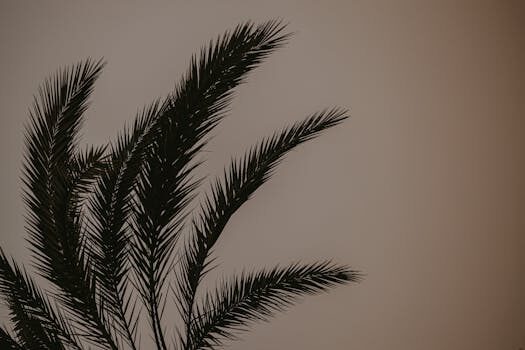
What is the difference between Howea forsteriana and Howea belmoreana?
While closely related, they differ in size, leaf shape, and growth speed. Howea belmoreana is generally better suited for smaller spaces due to its slower growth and shorter height when grown indoors.
As a nod to the importance of visual aids, let’s take a look at an informative video showcasing the beauty and care of the Howea forsteriana / belmoreana.
In conclusion, the allure of the Howea forsteriana / belmoreana is undeniable, offering a touch of tropical elegance to any indoor setting. With proper care and understanding of their needs, these palms will thrive and bring years of lush, green beauty to your home.
This is such a great guide for anyone looking to bring a touch of the tropics into their home! I love how you broke down the care tips for the Howea belmoreana—it’s super helpful to know about their light and water preferences. It’s amazing how these palms not only elevate a space aesthetically but also help purify the air. Thanks for sharing such detailed info on these beautiful palms!