The Jewel Orchid (Ludisia discolor), also known as the Tiger Orchid, is a cherished gem in the orchid world. Native to the lush forests of Southeast Asia, this terrestrial orchid is prized for its attractive foliage and ease of care, making it a favorite among both novice and seasoned plant enthusiasts.
Unlike many of its high-maintenance cousins, Ludisia discolor thrives in conditions more easily replicated in the home. With its unique and velvety leaves, the Jewel Orchid adds a touch of exotic elegance to any indoor space. Let’s explore the best practices for cultivating and maintaining this stunning plant.
Table of Contents
- What Is the Jewel Orchid (Ludisia discolor)?
- How to Care for Your Jewel Orchid (Ludisia discolor)?
- What Are the Common Problems with Jewel Orchids?
- How to Propagate the Jewel Orchid (Ludisia discolor)?
- What Are the Common Pests and Diseases Affecting Jewel Orchids?
- How to Encourage Blooming in Your Jewel Orchid?
- What Are the Different Varieties of Jewel Orchids?
- Further Insights on Jewel Orchid Care
What Is the Jewel Orchid (Ludisia discolor)?
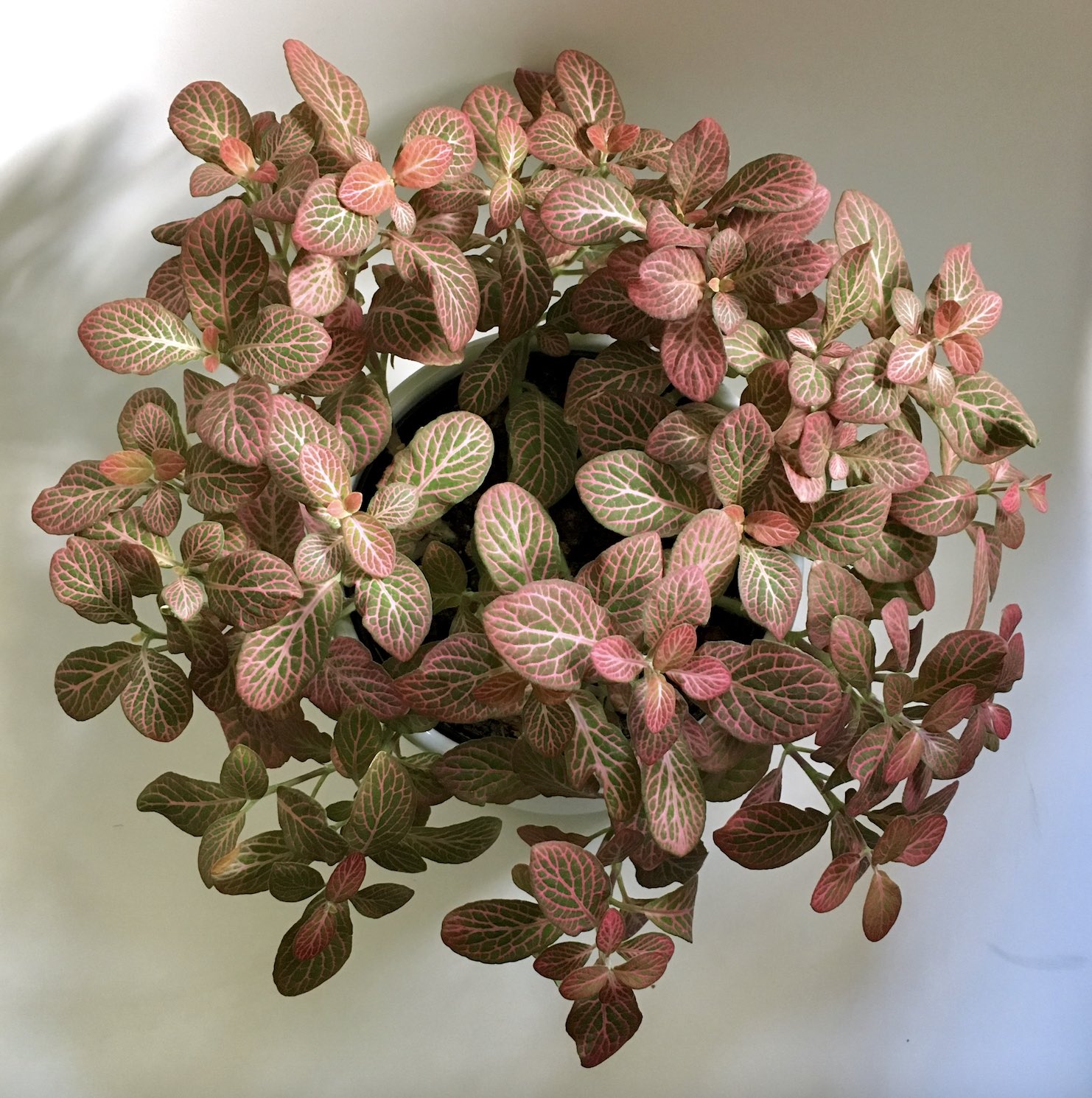
The Jewel Orchid stands out in the Orchidaceae family with its focus on striking leaves over showy flowers. The leaves boast a deep green color and are adorned with distinctive pinstripes, giving the appearance of a luxurious texture. The plant’s small white flowers, while less prominent, offer a subtle beauty and a gentle fragrance.
Native to the humid and warm regions of Southeast Asia, it is a terrestrial orchid, meaning it grows on the ground rather than attaching itself to trees or rocks. This growth habit makes it uncommon among orchids and contributes to its unique care requirements.
Despite its exotic origins, Ludisia discolor has gained popularity for its adaptability to indoor environments, where it can bring a piece of tropical splendor into the home.
How to Care for Your Jewel Orchid (Ludisia discolor)?
Providing the right conditions for your Jewel Orchid is key to its health and longevity. The ideal environment mimics its natural habitat, with moderate indirect light, consistent moisture, and high humidity.
When it comes to watering, allow the top layer of soil to dry slightly between sessions, ensuring that the roots do not sit in water, which can lead to rot. A well-draining, loamy soil mix is essential for proper care.
Temperature-wise, the Jewel Orchid prefers the warmth, thriving in temperatures ranging from 60-80°F. Regular fertilization with a diluted orchid-specific fertilizer will support its growth and vigor.
What Are the Common Problems with Jewel Orchids?
Like all plants, Jewel Orchids can sometimes face challenges. Poor light conditions, incorrect watering, and unsuitable humidity levels can lead to a range of issues. One common problem is the appearance of yellowing leaves, which often signals overwatering or poor drainage.
Additionally, inadequate humidity can cause the leaves to lose their luster, becoming brittle or developing brown tips. Ensuring a consistent environment that reflects their natural tropical climate will help avoid these common ailments.
How to Propagate the Jewel Orchid (Ludisia discolor)?
Propagation of the Jewel Orchid is a straightforward process and an exciting way to expand your collection. Stem cuttings are the most common method, allowing new plants to be easily grown from a single healthy stem.
Simply cut a stem with a few leaves, place it in water or moist soil, and wait for roots to develop. With patience and proper care, you’ll soon have new Jewel Orchids to enjoy or share with friends.
What Are the Common Pests and Diseases Affecting Jewel Orchids?
Jewel Orchids can fall prey to common pests such as spider mites, which thrive in dry conditions. Maintaining high humidity can deter these pests and keep your plant healthy. Regular inspection of the leaves for any signs of infestation is good practice.
Root rot and fungal diseases like Fusarium oxysporum can also afflict Jewel Orchids, often due to overwatering or poorly draining soil. Ensuring the right soil mix and watering regimen can help prevent these issues.
How to Encourage Blooming in Your Jewel Orchid?
To encourage your Jewel Orchid to bloom, mimic the seasonal changes it would experience in its natural environment. This could involve reducing watering and temperature slightly during the rest period, then gradually increasing them to stimulate flowering. While the blooms may be modest, they add an extra layer of charm to this already captivating plant.
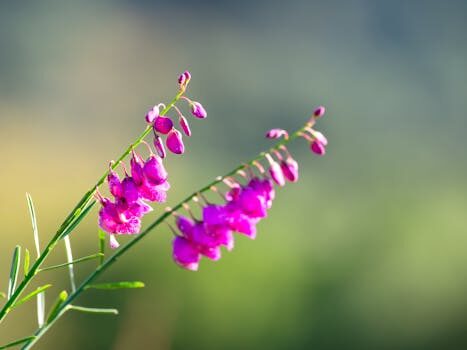
Following the care tips outlined above will not only help maintain the health of your Jewel Orchid but also increase its chances of producing its charming, fragrant flowers.
What Are the Different Varieties of Jewel Orchids?
There are several varieties of Jewel Orchids, each with its own unique appeal. The ‘Alba’ variety features stunning white-veined leaves, while the ‘Red Velvet’ and ‘Green Velvet’ offer a richer color palette. These different cultivars provide options for collectors and enthusiasts looking to diversify their indoor orchid displays.
Further Insights on Jewel Orchid Care
To enrich your understanding of the Jewel Orchid (Ludisia discolor) care, let’s delve into a few common questions and provide some helpful answers.
How do you care for a Ludisia discolor jewel orchid?
Caring for a Ludisia discolor involves providing a balance of moderate indirect light, consistent moisture without waterlogging, and maintaining high humidity. A well-draining, orchid-specific soil mix and regular fertilization will also contribute to the plant’s well-being.
Is Ludisia discolor rare?
While the Jewel Orchid is not considered rare, it is a unique member of the orchid family due to its terrestrial nature and focus on leaf rather than flower beauty. Its ease of care makes it accessible to a wide range of plant enthusiasts.
How fast does Ludisia discolor grow?
Jewel Orchids are known for their moderate growth rate, with proper care fostering steady development and the potential for propagation.
Why is my jewel orchid dying?
If your Jewel Orchid is dying, it could be due to overwatering, insufficient humidity, or pest infestations. Assessing the care conditions and making necessary adjustments can often revive a struggling plant.
To further enhance this article, we’ve included a video from the carousel demonstrating the care and growth of the Jewel Orchid:
By incorporating these care tips and insights, you can enjoy the lush beauty of the Jewel Orchid in your home. Whether you’re a seasoned grower or a curious newcomer, the Ludisia discolor offers a rewarding and exotic addition to any indoor plant collection.