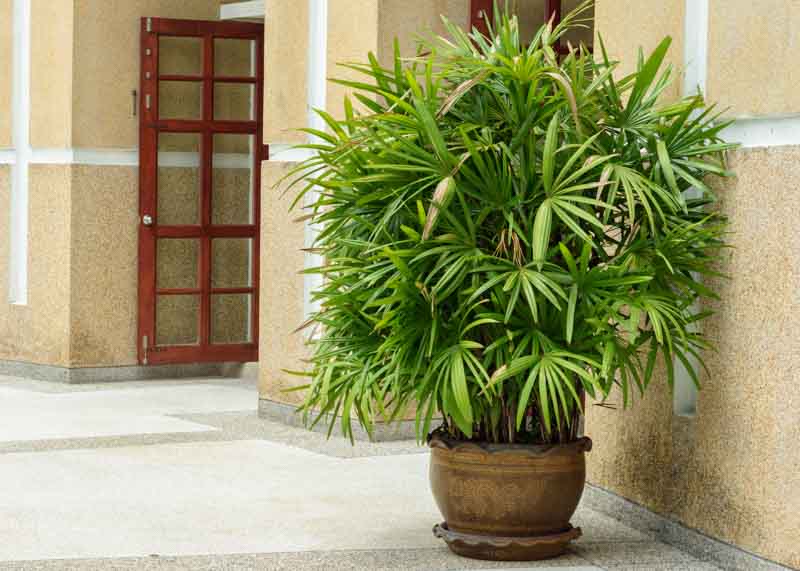
Cultivating the graceful Lady Palm (Rhapis excelsa) introduces a touch of Asian elegance to indoor spaces. A slow-growing palm with a robust demeanor, this plant’s fan-shaped fronds and slim stems bring a serene ambiance to your home.
As an eye-catching tropical accent, the Lady Palm is celebrated not just for its beauty but also for its capacity to adapt to indoor conditions, making it a favorite amongst green-thumbed enthusiasts.
Table of Contents
- Lady Palm Care Overview
- How Often Should I Water My Lady Palm?
- What Are the Light Needs for Lady Palm?
- How to Pot and Repot Lady Palm?
- What Are Common Problems with Lady Palm?
- How to Propagate Lady Palm?
- What Are the Fertilizer Requirements for Lady Palm?
- Related Questions on Lady Palm (Rhapis Excelsa) Care
Lady Palm Care Overview
Thriving inside the comfort of your living space, the Lady Palm demands some basic yet specific care considerations to maintain its lush, green look. In the following sections, we’ll cover the essential care instructions to keep your Lady Palm thriving.
To begin, let’s understand that proper care for your Lady Palm starts with the basics: bright, indirect light, well-drained soil, and a consistent watering schedule are key to achieving a healthy plant. Let’s delve further into each aspect of Lady Palm care.
How Often Should I Water My Lady Palm?
Watering is a critical component of Lady Palm plant maintenance. These palms prefer soil that is moist but never soggy. Overwatering can lead to root rot, while under-watering can cause the leaves to dry out and turn brown.
As a general rule, water your Lady Palm when the top inch of soil feels dry to the touch. During the warmer months, this may mean watering once a week, while in cooler months, it could be less frequent.
Tailor your watering schedule to the humidity and temperature of your home, and remember that your Lady Palm’s watering needs can change with the seasons.

What Are the Light Needs for Lady Palm?
Proper lighting is crucial for the health and growth of your Lady Palm. They flourish in bright, indirect light but can tolerate lower light conditions, which is one reason why they’re so well-suited to indoor living.
Direct sunlight can scorch the leaves of the plant, so it’s best to place your Lady Palm in a location where it will receive filtered light, such as near a north-facing window or a sheer curtained window that diffuses the direct sun.
How to Pot and Repot Lady Palm?
- Select a container with ample drainage holes to prevent water from accumulating at the bottom.
- Use a well-draining potting mix specifically designed for palms or indoor plants.
- When repotting, choose a pot that’s only slightly larger than the previous one to avoid excessive moisture retention in the soil.
- Gently tease out the roots if they are pot-bound and trim any that are dead or damaged before repotting.
Generally, repotting every two to three years is adequate for the slow-growing Lady Palm. However, keep an eye on its growth and adjust the repotting schedule accordingly.
What Are Common Problems with Lady Palm?
Although Lady Palms are relatively hardy, they’re not without their problems. Common Lady Palm problems can arise due to overwatering, under-watering, or low humidity.
Yellow leaves often indicate overwatering, while brown tips may signal low humidity. Ensuring a proper watering schedule and maintaining a humidity level above 50% can prevent these issues.
Additionally, keep an eye out for pests such as spider mites and scale insects, which can be managed with regular misting or insecticidal soap.
How to Propagate Lady Palm?
Propagation of Lady Palms can be a fulfilling endeavor for plant lovers. This is usually done through division, where offsets from the main plant are separated and potted individually.

Division is best performed during the spring, allowing the new plants ample time to establish themselves before the slower winter growth period.
When dividing, ensure each new plant has an adequate root system and at least one green frond. After potting, water the new plants thoroughly and place them in bright, indirect light.
What Are the Fertilizer Requirements for Lady Palm?
Lady Palms do not demand heavy feeding, but they do benefit from a balanced, slow-release fertilizer during the growing season.
Apply a palm-specific fertilizer once in the spring and again in mid-summer to encourage healthy growth. Avoid over-fertilization, which can lead to leaf burn or other nutrient imbalances.
During the fall and winter, reduce feeding as the plant’s growth naturally slows.
Now, let’s explore some additional insights through related questions about Lady Palm care.
Related Questions on Lady Palm (Rhapis Excelsa) Care
How to Care for Rhapis excelsa?
To care for Rhapis excelsa, ensure that it is potted in well-draining soil and receives consistent, moderate watering.
Provide bright, indirect light, and maintain indoor temperatures of 60-80°F. During the growing season, fertilize with a balanced, slow-release fertilizer.
What Are the Disadvantages of the Lady Palm?
The main disadvantages include sensitivity to direct sunlight, potential for pest problems, and the need for regular pruning to remove dead fronds. Additionally, these palms can be more expensive than other houseplants due to their slow growth rate.
However, with proper care, the advantages far outweigh these minor inconveniences.
Why Is My Rhapis Palm Dying?
A dying Rhapis Palm often signals issues with watering, either too much or too little. Check the soil moisture and adjust your watering schedule accordingly.
Also, consider factors like lighting, pests, and disease. If the palm has been consistently overwatered, it may have root rot, which can be fatal if not addressed quickly.
Do Lady Palms Like Full Sun or Shade?
Lady Palms prefer indirect light rather than full sun, which can scorch their leaves. They thrive in partial shade, making them ideal for indoor environments where direct sunlight is limited.
When choosing a spot for your Lady Palm, aim for an area that mimics the dappled light of its natural forest floor habitat.

To enhance your understanding of Lady Palm care, let’s look at a visual resource:
By following the guidelines in this Lady Palm (Rhapis Excelsa) Care Guide, you’ll be well-equipped to nurture a thriving Lady Palm that can enhance your indoor space for years to come. Remember, regular care and attention to the plant’s needs will ensure its health and growth, making it a cherished part of your home or office.