Gaining popularity for its unique beauty, the Monstera deliciosa, or Swiss Cheese Plant, has become a staple in the world of indoor gardening. With its heart-shaped leaves and distinctive fenestrations, it’s easy to see why plant enthusiasts are eager to welcome this tropical wonder into their homes.
Whether you’re a seasoned gardener or a curious newcomer, understanding the essential care for your Swiss Cheese Plant will ensure it thrives, bringing a touch of the tropics to your indoor space.
Table of Contents
- What Is the Monstera Deliciosa (Swiss Cheese Plant)?
- How Do You Care for a Monstera Deliciosa (Swiss Cheese Plant)?
- What Are the Light Requirements for a Swiss Cheese Plant?
- How to Prune a Swiss Cheese Plant?
- How to Propagate a Swiss Cheese Plant?
- What Are Common Problems With Swiss Cheese Plants?
- Is the Swiss Cheese Plant Toxic to Pets?
- Related Questions on Monstera Deliciosa Care
What Is the Monstera Deliciosa (Swiss Cheese Plant)?
The Monstera deliciosa is more than just a plant; it’s a statement piece with deep roots in Central and South American tropical forests. Known for its lush, verdant growth and iconic perforated leaves, it’s not just the looks that make this houseplant so beloved – it’s also its resilience and adaptability to indoor environments.
However, owning a Swiss Cheese Plant comes with responsibility. To keep your leafy friend healthy, you’ll need to replicate its native humid, shady canopy as much as possible. An understanding of its native habitat will not only help you care for your Monstera but also appreciate the complexity and beauty of this magnificent specimen.
How Do You Care for a Monstera Deliciosa (Swiss Cheese Plant)?
When it comes to caring for Monstera deliciosa, there are several key aspects to consider. First and foremost, your plant will need a well-draining soil mix to prevent overwatering, which can lead to root rot. During its growing season, a balanced fertilizer will keep it healthy and support new growth.

The Swiss Cheese Plant also has a penchant for climbing. In the wild, it ascends tall trees, so integrating a moss pole or another form of support will encourage its natural vining tendencies. And don’t forget the humidity—this tropical plant loves a moist environment, so a humidifier or regular misting can go a long way.
Last but not least, be mindful of the light. The ideal spot for your Monstera deliciosa is one where it receives bright, indirect sunlight. Too much direct sun can scorch its leaves, while too little will stunt its growth and minimize the development of its signature leaf perforations, known as fenestration.
What Are the Light Requirements for a Swiss Cheese Plant?
The Swiss cheese plant light requirements are specific but manageable. This tropical beauty thrives in bright, indirect light—think of the dappled sunlight of a rainforest canopy. While it can tolerate lower light levels, it will not develop those picturesque holes or grow as vigorously without adequate light.
But beware of too much direct sunlight. The harsh rays of the afternoon sun can be too intense for Monstera leaves, causing them to become faded or burnt. An east-facing window is often ideal, providing the gentle morning light that these plants love.
How to Prune a Swiss Cheese Plant?
Pruning your Swiss Cheese Plant is not just about keeping it tidy; it’s about encouraging healthy growth. Regularly removing any yellow or damaged leaves and pinching off the tips can stimulate the plant to become bushier. Pruning is also a chance to shape your plant and control its size, especially if indoor space is limited.

Always use clean, sharp scissors or pruners to make precise cuts. This helps prevent disease and minimizes stress to the plant. Plus, don’t be afraid to get a little snippy during the growing season—that’s when your Monstera is most resilient and can bounce back quickly from a trim.
How to Propagate a Swiss Cheese Plant?
Propagating a Swiss Cheese Plant is a rewarding experience that can be done in a few simple steps. Look for a healthy stem with at least one node—a small bump from which roots and leaves can grow. Cut just below this node using a clean, sharp knife or a pair of pruning shears.
Place the cutting in water, ensuring the node is submerged, and wait for roots to develop. This can take a few weeks to a month. Once the roots are a few inches long, plant the cutting in a well-draining potting mix. With patience and care, you’ll have a new Swiss Cheese Plant to enjoy or share with friends.
What Are Common Problems With Swiss Cheese Plants?
While Monstera deliciosa is relatively resilient, it’s not without its issues. Overwatering is a common pitfall, leading to root rot. Yellowing leaves can indicate too much water or inadequate drainage. Conversely, brown, crispy leaves might suggest too little humidity or under-watering.
Pest infestations, though less common, can occur. Keep an eye out for signs of spider mites, scale, or mealybugs. Regularly inspecting your plant and maintaining cleanliness can help prevent these unwanted guests.

Is the Swiss Cheese Plant Toxic to Pets?
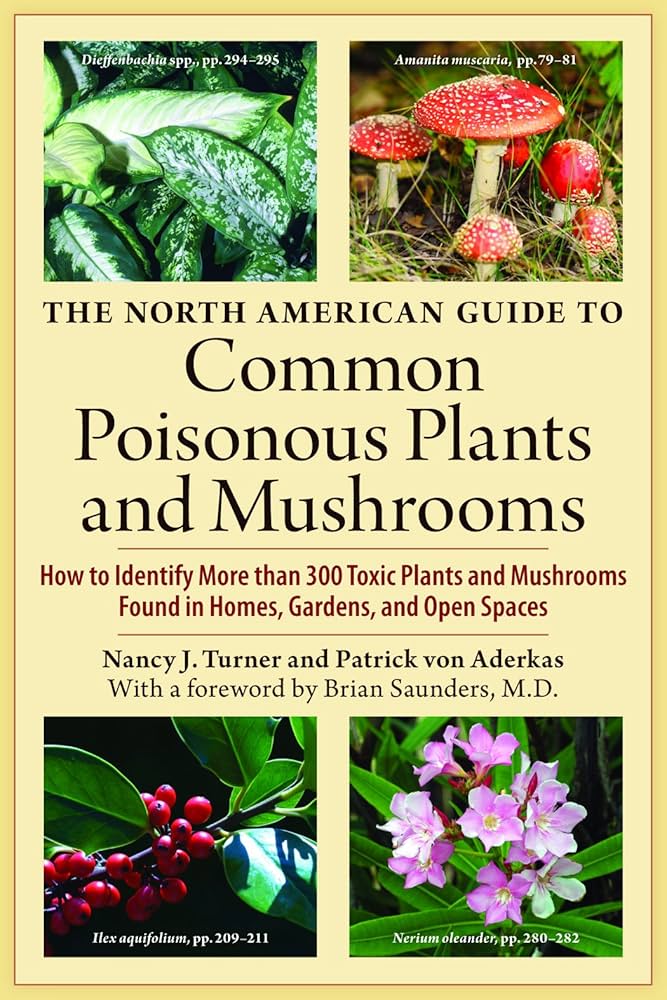
It’s important for pet owners to know that all parts of the Monstera deliciosa are toxic to animals if ingested. The plant contains calcium oxalate crystals which can cause oral irritation, drooling, vomiting, and difficulty swallowing for pets.
Therefore, it’s crucial to place your Swiss Cheese Plant out of reach of curious cats and dogs. If you suspect your pet has nibbled on a Monstera, contact your veterinarian immediately.
Related Questions on Monstera Deliciosa Care
How Do You Care for a Monstera Swiss Cheese Plant?
Properly caring for a Monstera Swiss cheese plant involves a combination of the right lighting, watering, humidity, and support for its climbing habit. Bright, indirect sunlight and high humidity mirror its natural habitat, while a moss pole can help it grow tall and strong. Remember to water only when the top inch of soil is dry to the touch.
Monitor your plant’s growth and health by checking for pests and diseases, and prune as needed to promote a lush, full appearance. With consistent care, your Monstera deliciosa will be a vibrant and dynamic addition to your indoor garden.
Did Monstera Plant Sell for $5000?
Yes, some Monstera plants have sold for high prices, including a case where a variegated Monstera adansonii, a relative of the Swiss Cheese Plant, sold for over $5000. This is due to the rarity and unique appearance of certain Monstera varieties, which can make them highly sought after by collectors.

Are Monstera Deliciosa and Swiss Cheese Plant the Same?
Monstera deliciosa and the Swiss Cheese Plant are indeed the same. This moniker refers to the plant’s distinctive fenestrated leaves that resemble the holes in Swiss cheese. However, it’s worth noting that there are several species within the Monstera genus, so not all Monsteras are Swiss Cheese Plants.
Why Is Monstera So Expensive?
The cost of a Monstera can vary greatly depending on the species, size, and rarity. Varieties with unusual features, like variegation, can fetch higher prices. The price is also driven by demand – as more people become interested in tropical plant care and indoor gardening, desirable plants like the Monstera deliciosa can become more expensive.
Integrating a Swiss Cheese Plant into your home can transform your living space into a lush green haven. With the right care, your Monstera deliciosa will grow vigorously and may even become a conversation piece amongst plant-loving friends. Remember that patience and attention to the plant’s needs will result in a healthy, happy Monstera that you can enjoy for years to come.