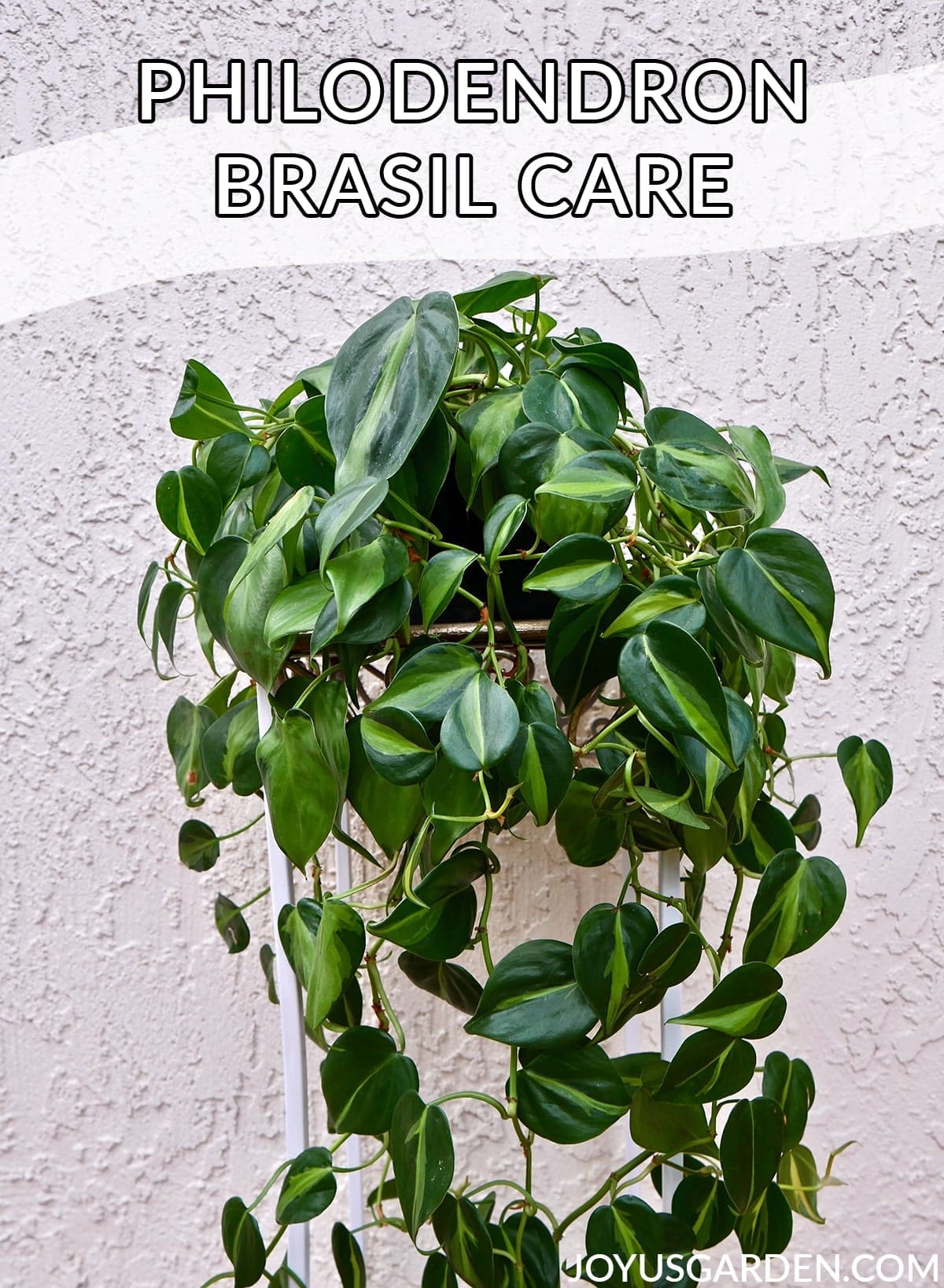
Philodendron Hederaceum Brasil: Care and Problem Guide
The Philodendron hederaceum ‘Brasil’, with its striking variegated leaves, has become a popular choice for indoor plant enthusiasts. Known for its adaptability and vibrant foliage, this tropical vine can add a touch of rainforest ambiance to any space.
Table of Contents
- How do you properly care for Philodendron Brasil?
- What are the light requirements for Philodendron Brasil?
- How can you propagate Philodendron Brasil successfully?
- What soil is best for Philodendron Brasil?
- How often should you water Philodendron Brasil?
- What common problems do you encounter with Philodendron Brasil?
- Is Philodendron Brasil toxic to pets?
- Questions related to caring for Philodendron Brasil
How do you properly care for Philodendron Brasil?
Caring for Philodendron Brasil is straightforward. This easy-going houseplant thrives in environments with bright, indirect light, though it can tolerate lower light levels. High humidity and regular watering, allowing the soil to dry slightly between sessions, are key. For optimal growth, feed your Philodendron Brasil with a balanced liquid fertilizer every month during the growing season.
Room temperature is ideal for the Philodendron Brasil, but be sure to protect it from sudden temperature changes and cold drafts. Trailing vines can be pruned to maintain the desired shape and size, encouraging a fuller appearance. These cuttings can also be used for propagation.
Regular monitoring is essential to prevent common issues. Overwatering can lead to root rot, so ensure the pot has adequate drainage. Dust on the leaves can be wiped off to keep them healthy and shiny.
What are the light requirements for Philodendron Brasil?
The right lighting conditions are crucial for the well-being of your Philodendron Brasil. It prefers bright, indirect sunlight to maintain the distinct variegation of its leaves. Direct sunlight can cause the leaves to burn, while too little light can lead to loss of variegation and leggy growth.
Position your Philodendron Brasil in a spot where it can receive filtered light, such as near a window with sheer curtains. Rotating the plant regularly ensures even growth and exposure to light.

If you notice the leaves losing their variegation or the stems becoming elongated, consider adjusting the plant’s position to better suit its light needs.
How can you propagate Philodendron Brasil successfully?
Propagating Philodendron Brasil is a simple and rewarding process. Choose a healthy stem with at least two leaves and a few inches of stem below the node. Cut just below a node using a sterilized pair of scissors or a knife.
Place the cutting in water, making sure at least one node is submerged. Roots should begin to develop within a few weeks. Once the roots are a few inches long, the cutting can be potted in a well-draining soil mix.
Alternatively, you can plant the cutting directly into moist soil, keeping the environment humid until the roots establish.
What soil is best for Philodendron Brasil?
- Well-draining soil is essential to prevent waterlogging and root rot.
- A mix that is rich in organic matter will provide the necessary nutrients.
- Incorporate perlite or vermiculite to improve aeration.
- Acidic to neutral pH levels are ideal for Philodendron Brasil.
How often should you water Philodendron Brasil?
Watering frequency for Philodendron Brasil can vary based on environmental factors. A general rule is to water when the top inch of soil feels dry to the touch.
During the warmer months, your plant may need more frequent watering. Conversely, in the winter, you should reduce the frequency. Always check the soil before adding water to avoid overwatering.
Good drainage is critical: ensure your pot has drainage holes and that excess water can freely escape.
What common problems do you encounter with Philodendron Brasil?
Common problems with Philodendron Brasil include yellowing leaves, drooping stems, and brown leaf tips. These can be signs of overwatering, low humidity, or nutrient deficiencies.
Pests such as aphids, spider mites, and mealybugs can also affect your plant. Inspect regularly and treat promptly with insecticidal soap or neem oil if necessary.
- Yellow leaves: Often a sign of overwatering or poor drainage.
- Brown tips: May indicate low humidity or over-fertilization.
- Drooping leaves: Can be due to under or overwatering.
Is Philodendron Brasil toxic to pets?
Yes, Philodendron Brasil is toxic to pets if ingested. It contains calcium oxalate crystals, which can cause irritation and swelling of the mouth, tongue, and digestive system in animals.

Keep your Philodendron Brasil out of reach of pets to avoid accidental ingestion. If you suspect your pet has chewed on the plant, contact your veterinarian immediately.
Questions related to caring for Philodendron Brasil
Is Philodendron Brasil hard to care for?
Not at all! Philodendron Brasil is known for its ease of care. It is a resilient plant that can adapt to various indoor conditions, making it suitable for both novice and experienced plant owners.
By providing the right balance of light, water, and humidity, your Philodendron Brasil can thrive with minimal fuss.
What does an overwatered Philodendron look like?
An overwatered Philodendron often displays yellowing leaves and a soggy base. If the soil feels wet and you see standing water at the bottom of the pot, it’s a clear sign of overwatering.

To remedy this, allow the soil to dry out more between waterings and ensure your potting mix and pot allow for proper drainage.
What are the warning signs for philodendrons?
Warning signs to look out for include stunted growth, yellowing or browning leaves, and a limp appearance. These symptoms suggest issues with watering, lighting, or pest infestations.
Addressing these warning signs promptly can prevent further damage and help maintain the health of your Philodendron.
Why is my philodendron Brasil not doing well?
If your Philodendron Brasil is struggling, consider whether it’s receiving too much direct sunlight, insufficient light, or inconsistent watering. Also, check for signs of pests and treat accordingly.
A change in environment, such as a significant drop or increase in temperature or humidity, can also affect its wellbeing. Review the care conditions and adjust as needed to help your plant recover.