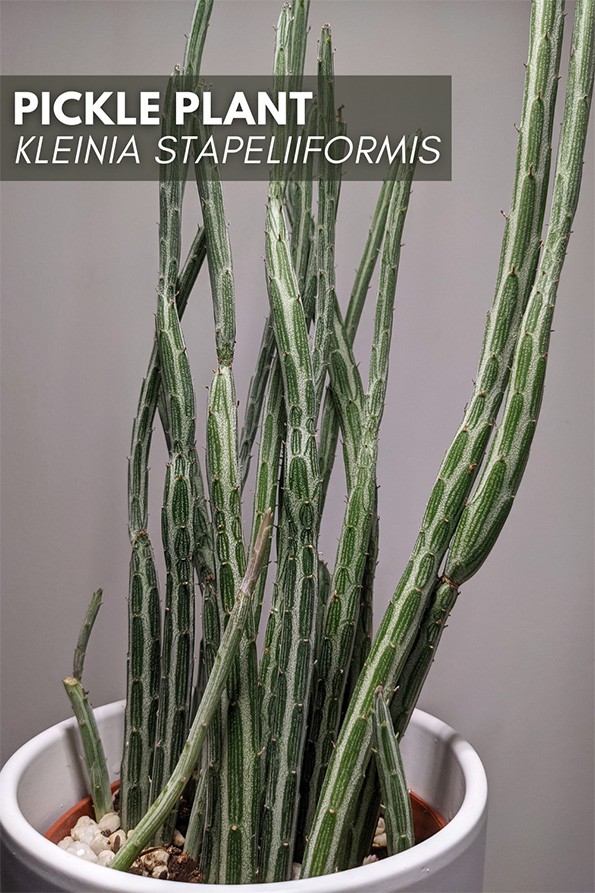
The Pickle Plant (Kleinia stapeliiformis) is an intriguing succulent that has garnered attention for its distinctive appearance and ease of care. Often a topic of conversation due to its pickle-like stems, this plant is a popular choice among gardening enthusiasts.
Native to the arid regions of South Africa, the Pickle Plant is a resilient species that has adapted to thrive with minimal fuss. Its cylindrical stems and unique form make it a striking addition to any indoor plant collection.
Table of Contents
- How to properly care for your pickle plant?
- What are the light requirements for a pickle plant?
- How often should you water your pickle plant?
- What soil is best for your pickle plant?
- How do you propagate pickle plants successfully?
- What are common problems with pickle plants and how to fix them?
- How to encourage flowering in your pickle plant?
- Related Questions on Pickle Plant Care
How to properly care for your pickle plant?
Providing the right care for your Pickle Plant is essential for its growth and health. This succulent is known for its hardiness, but it still requires specific conditions to flourish.
Ensure your plant receives ample bright light, as it simulates the intense sunlight of its native habitat. However, be cautious of direct midday sun, which can scorch the plant.
During the summer, water your Pickle Plant when the soil has completely dried out. In winter, reduce watering frequency to prevent root rot, a common issue among succulents.
Choose a well-draining soil mix designed for cacti or succulents to provide the best foundation for growth. Regular potting soil retains too much moisture, which can be detrimental.
Temperature is another factor; ideal conditions range from 65°F to 80°F. While this plant can tolerate lower humidity levels common in homes, it’s important to avoid drastic temperature changes.
What are the light requirements for a pickle plant?
The light requirements for a Pickle Plant are straightforward: it thrives in bright, indirect light. Position it near a south-facing window where it can bask in plenty of sunlight without being exposed to the harsh afternoon rays.
If natural light is limited, consider supplementing with grow lights. These can provide the necessary spectrum of light to keep your Pickle Plant healthy, especially during shorter winter days.

Watch for signs of light deprivation, such as leggy growth or a pale coloration of the stems. If you notice these symptoms, it’s time to adjust the plant’s location or lighting setup.
How often should you water your pickle plant?
Water your Pickle Plant sparingly and only when the soil is dry. Overwatering is a common mistake and can lead to root rot, which can be fatal for succulents.
In the summer, you might need to water once a week, but always check the soil moisture first. In winter, reduce watering to once a month or less.
Employ the “soak and dry” method: water thoroughly, allowing excess to drain away, then wait until the soil is completely dry before watering again.
What soil is best for your pickle plant?
The best soil for a Pickle Plant is a mix that provides excellent drainage and aeration. A commercial cactus or succulent potting mix is ideal, as it often contains sand, perlite, or pumice.
Creating your own mix? Combine one part potting soil with one part coarse sand and one part perlite or pumice for a well-draining blend.
Ensure the pot has adequate drainage holes to prevent water from pooling at the bottom, which can lead to root rot.
How do you propagate pickle plants successfully?
Propagating Pickle Plants can be a rewarding experience. This plant can be propagated from stem cuttings, which should be taken during the warmer months for best results.
Allow the cutting to callous over for a few days before planting in a well-draining soil mix. Water sparingly until you notice new growth, indicating that the cutting has rooted.

Patience is key; it may take several weeks for the cutting to establish, so resist the urge to water too frequently.
What are common problems with pickle plants and how to fix them?
Despite its resilience, the Pickle Plant can encounter issues, such as overwatering, pests, and lack of light. Overwatering can cause soft, mushy stems or root rot, so be sure to let the soil dry out completely between waterings.
Pests like mealybugs and spider mites can be deterred by regular inspection and prompt treatment with insecticidal soap or neem oil.
Ensure your plant gets enough light; otherwise, it may become leggy and weak. Adjust its position or consider artificial lighting if necessary.
How to encourage flowering in your pickle plant?
Flowering in Pickle Plants can be a rare sight, but with the right conditions, it’s possible to coax out its delicate blooms. Provide a period of cooler temperatures during the winter months to simulate a natural dormancy period.
During the growing season, offer a balanced fertilizer every few weeks to supply necessary nutrients. Adequate light is also crucial for flower development.
Remember, not all specimens will bloom, and younger plants may take several years before they are ready to flower.
Related Questions on Pickle Plant Care
What’s wrong with my pickle plant?
If your Pickle Plant is showing signs of distress, it’s crucial to assess its care routine. Overwatering is a common issue, so check if the soil is soggy or if the plant’s base is soft or discolored.
Pests can also cause problems; inspect for tiny insects or webbing on the stems or leaves. A change in plant color or shape can often be a sign of poor health, signaling it’s time to adjust care practices.

How do you take care of a pickle plant?
Caring for a Pickle Plant involves providing bright, indirect light, minimal watering, and ensuring it’s planted in well-draining soil. Avoid overwatering and keep the plant in a stable environment away from draughts and extreme temperature changes.
Maintain a regular inspection schedule for pests, and be prepared to repot the plant every few years to refresh the soil and provide more room for growth.
How much light does kleinia need?
The Kleinia, or Pickle Plant, requires plenty of bright, indirect sunlight. Aim for at least 4-6 hours of light per day. If the plant doesn’t receive enough light, it may become etiolated, meaning it will stretch out in search of more sunlight.
Monitor the plant’s color and growth pattern; if you notice any elongation of stems or fading of color, it may be a sign to adjust your light setup.
Should I cut back my pickle plant?
If your Pickle Plant has become overgrown or leggy, cutting it back can help maintain its shape and promote more compact growth. Use a clean, sharp pair of scissors or pruning shears and cut just above a leaf node.
These cuttings can also be used for propagation. Just make sure to allow them to callous before planting.
For a visual guide to caring for your Pickle Plant, check out this helpful video: