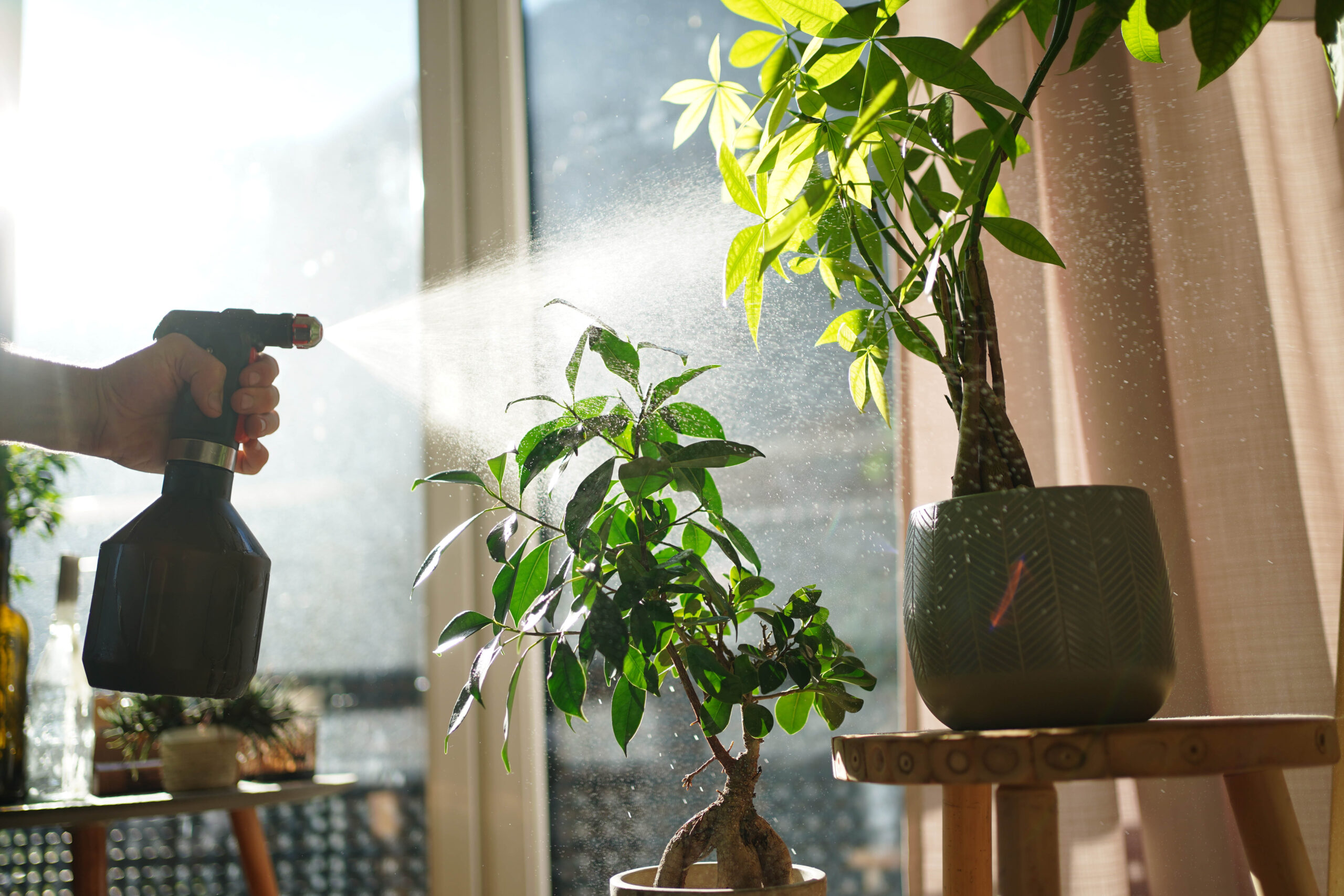
Understanding the needs of your houseplants is crucial to their health and vitality, and one common question that arises is should you mist your houseplants? While misting can emulate a humid environment, it’s important to know when and how to do it properly to provide the best care for your indoor greenery.
Misting houseplants might seem like a simple task, but there are nuances to consider. The type of water, the frequency of misting, and understanding which plants benefit from this practice are all factors that play a role in the well-being of your indoor garden.
Table of Contents
When should you mist your houseplants
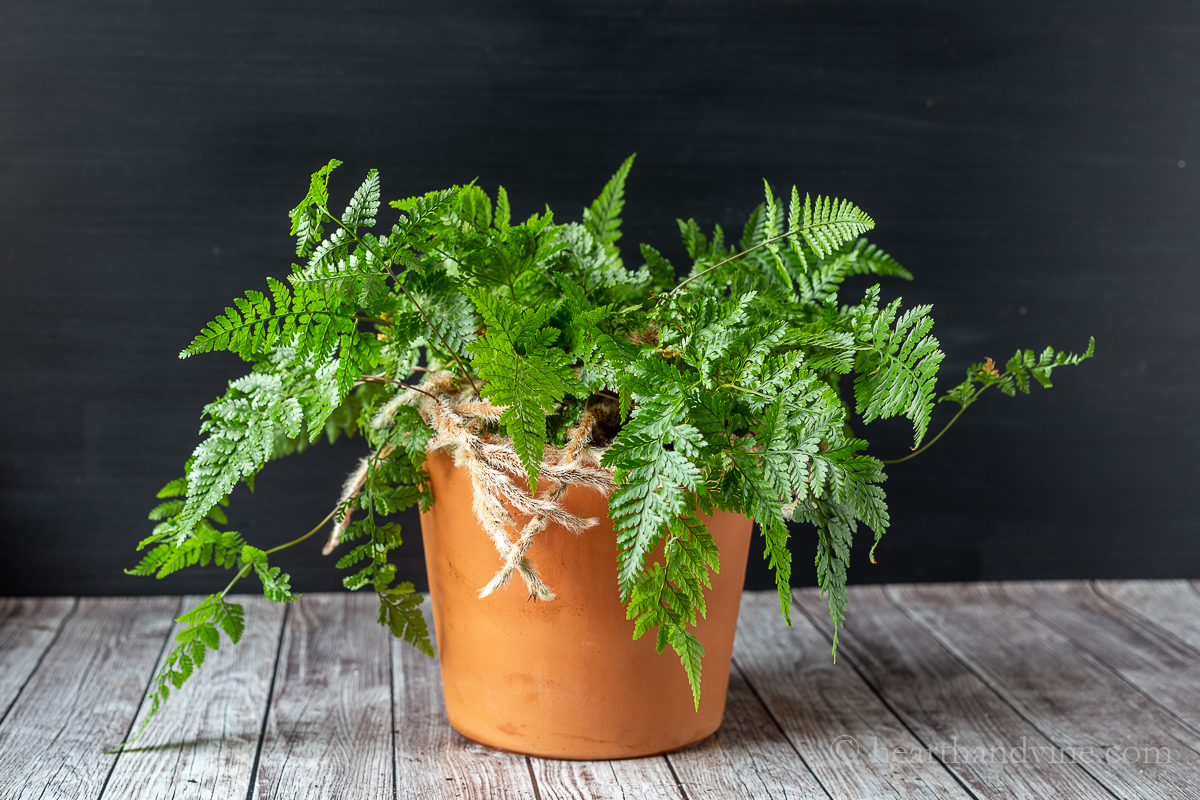
Not all houseplants have the same requirements when it comes to humidity. Tropical plants, such as orchids and ferns, typically thrive in higher humidity, making misting a beneficial practice for them. These plants are best misted in the morning or early afternoon, allowing the water to evaporate before the cooler nighttime temperatures set in, which could lead to fungal issues.
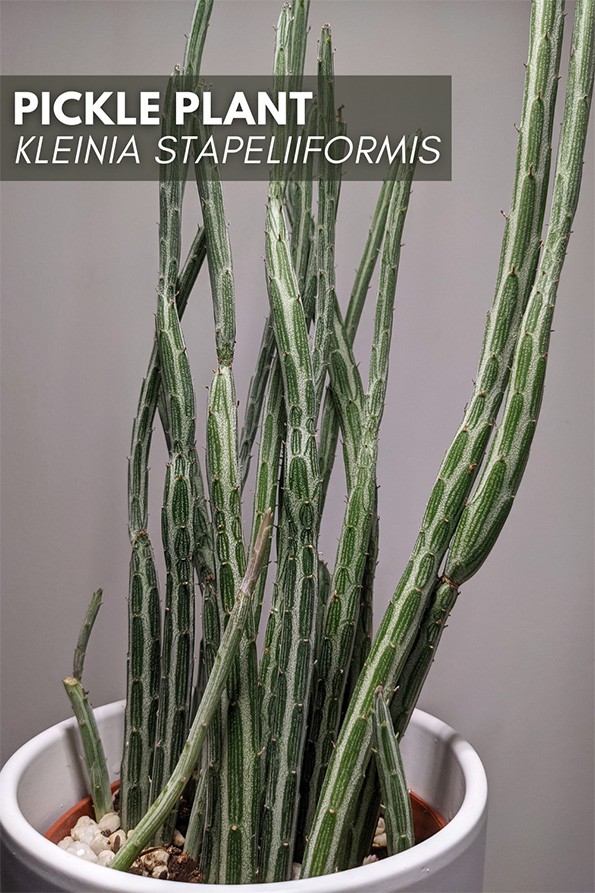
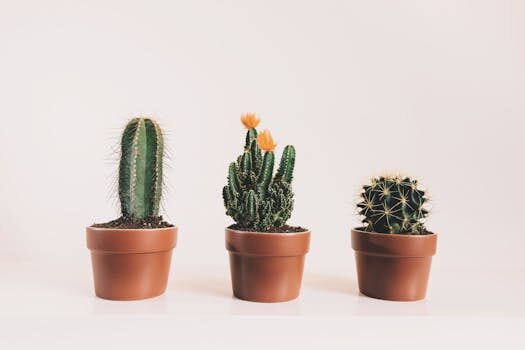
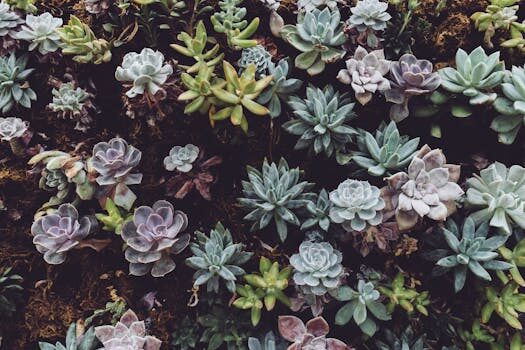
Be mindful of the environment your plants originate from. If they’re indigenous to arid regions, such as succulents and cacti, they won’t benefit from misting as their natural habitat doesn’t include high humidity levels.
Monitoring your home’s humidity with hygrometers can help determine whether misting is necessary. If your indoor air is particularly dry, misting can provide a temporary boost in humidity that many houseplants will appreciate.
How do you mist your houseplants properly
The goal of misting is to provide your plants with a fine spray of moisture that mimics a natural environment. To do this, use a spray bottle that emits a fine mist, ensuring that the water gently settles on the leaves rather than saturating the soil.
Avoid misting in the evening as this can leave your plants damp overnight, which might encourage the growth of mildew or mold. Instead, mist in the morning, giving your plants time to absorb moisture and dry out during the day.
When you mist your plants, take care to cover all the foliage. This not only increases humidity around the plant but also helps to keep the leaves clean and free from dust.
What water should you use for misting
The quality of water used for misting can affect your plants. Tap water can contain minerals that might build up on the leaves over time. Using distilled or filtered water is preferable to prevent any potential mineral residue.
Rainwater is another excellent option for misting houseplants. It’s naturally soft and free from the chemicals found in tap water, making it closer to the water your plants would receive in nature.
How often should you mist your houseplants
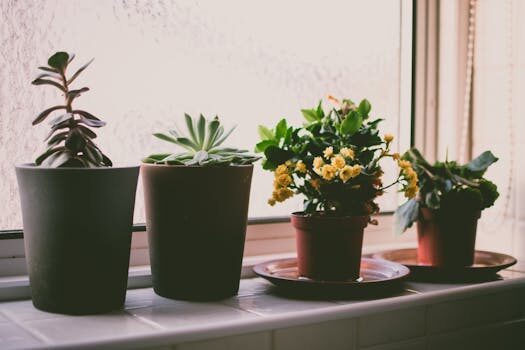
The frequency of misting heavily depends on the specific needs of your plants and the current humidity levels in your home. While some plants may benefit from daily misting, others might only require it once a week or even less.
For instance, during the winter when indoor heating systems can dry out the air, plants may need more frequent misting. However, it’s vital to observe your plants for signs of distress, such as browning leaf tips, which can indicate a need for increased humidity.
Which plants should you mist
- Orchids: As tropical plants, they enjoy high humidity and benefit from regular misting.
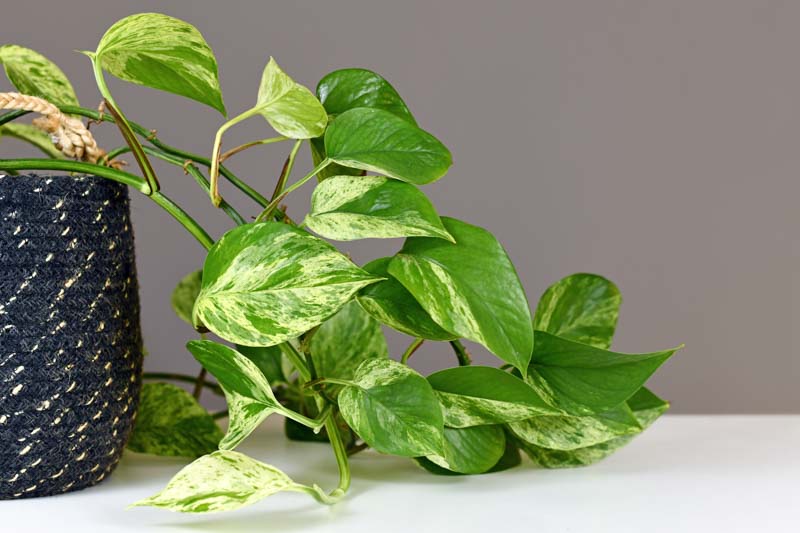
- Pothos: These plants are known to thrive in a more humid environment, making them ideal candidates for misting.
- Epiphytic plants: These air plants absorb moisture through their leaves and will appreciate the occasional mist.
Which plants should you avoid misting
Not all plants respond well to misting, especially those that are prone to rot or fungal diseases. Avoid misting plants with hairy leaves, like African violets, as the water droplets can get trapped and cause issues. Similarly, succulents and cacti naturally thrive in dry conditions and typically do not need additional humidity provided by misting.
Why is misting beneficial for houseplants
Misting can be an excellent way to boost the humidity around your houseplants, particularly for those that originate from tropical regions. It can also help with pest management, such as deterring spider mites that prefer a drier environment.
Aside from providing moisture, misting can be an effective way to clean your plants’ leaves, allowing them to better absorb light and perform photosynthesis more efficiently. However, it’s important to remember that misting is a temporary solution and other methods, such as a humidifier, may be necessary for long-term humidity control.
Here’s a helpful video illustrating the proper way to mist your plants:
FAQs on misting houseplants
Is misting good for indoor plants?
Yes, misting can be beneficial for certain indoor plants, especially those that are native to tropical environments where the air is moist. Misting these plants can help replicate their natural habitat and provide the humidity they need to thrive.
However, misting is not a one-size-fits-all solution. It’s important to consider the specific needs of each plant species and their natural growing conditions when deciding whether to mist.
How often should you mist house plants?
The frequency of misting should be tailored to the particular needs of your houseplants and the humidity level of your environment. While some plants may appreciate daily misting, others might only require it occasionally.
Observe your plants for any signs of low humidity, such as dry or crispy leaf edges, and adjust your misting routine accordingly.

Which house plants should not be misted?
Houseplants that should not be misted typically include those with furry or velvety leaves, such as African violets, and desert-dwelling plants like succulents and cacti, which are adapted to dry conditions.
Always research the specific care requirements for each plant species in your home to ensure you are providing the right levels of humidity.
Does a spider plant like to be misted?
Spider plants do enjoy being misted, as they benefit from the increased humidity. Misting these plants can help promote lush growth and prevent the tips of their leaves from browning.
However, be cautious not to overdo it, as excessive moisture can lead to root rot.