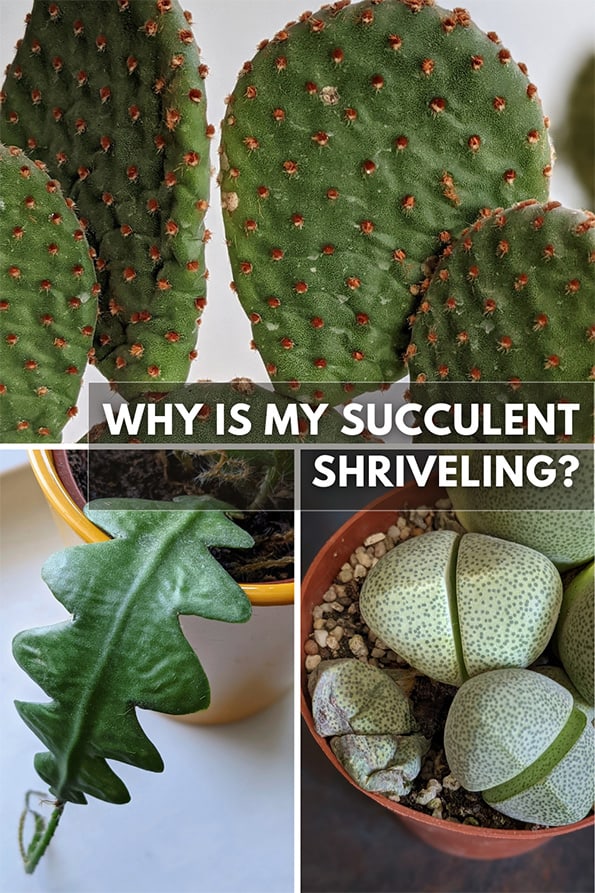
If you’ve noticed your succulent leaves shriveling, you’re not alone. This common issue among plant enthusiasts often indicates a need for a change in care. Fortunately, with the right knowledge, you can diagnose the causes and treatments to get your succulents back to health.
Understanding the reasons behind shriveling leaves and implementing the appropriate solutions can help your succulent plants thrive. In this article, we’ll explore the common causes, signs, and remedies for this condition.
Table of Contents
- What Are The Common Causes Of Succulent Leaves Shriveling?
- How Can I Identify If My Succulent Is Underwatered?
- What Are The Signs Of Overwatering In Succulents?
- How Do I Treat A Succulent With Mushy Leaves?
- What Are Other Possible Reasons For Shriveling Leaves?
- How To Prevent Succulent Leaves From Shriveling?
- Frequently Asked Questions About Succulent Care
What Are The Common Causes Of Succulent Leaves Shriveling?
Several factors contribute to succulent leaves shriveling. Watering issues are at the forefront, with both underwatering and overwatering being primary culprits. Underwatered succulents tend to have dry, brittle leaves, while overwatered plants can exhibit mushy, discolored leaves.
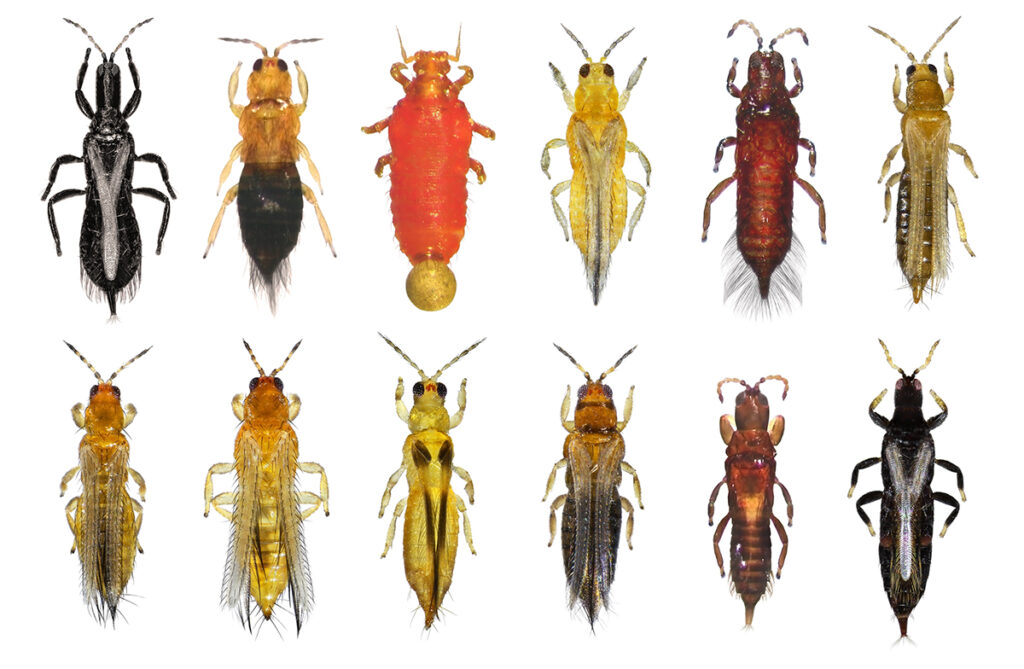
Environmental stress, such as extreme temperatures or inadequate lighting, can also lead to shriveled leaves. Additionally, physical damage or pest infestations can weaken a plant’s structure, causing the leaves to shrivel as a sign of distress.
A lack of essential nutrients may also play a role. Succulents need a balanced supply of minerals to maintain their cell structure and overall health.
How Can I Identify If My Succulent Is Underwatered?
To determine if underwatering is the issue, check the soil moisture. If the soil is bone dry several days after watering, your succulent is likely thirsty. Other signs include leaves that feel dry and look flat or deflated.

Underwatered succulents may also have leaves that are discolored, often turning a pale green or yellow. Additionally, the pot may feel unusually light since the soil lacks moisture.
Examining the leaves closely can reveal if they are exhibiting natural wrinkles or if the wrinkling is due to dehydration. Healthy succulent leaves should feel plump and firm to the touch.
What Are The Signs Of Overwatering In Succulents?
Succulents are susceptible to overwatering, which can lead to root rot and fungal diseases. The most apparent sign of overwatering is leaves that are soft and mushy. You may also notice that the leaves are turning yellow or black, which can be a sign of decay.
The soil consistency can also indicate overwatering. If the soil feels soggy or smells musty, it’s likely retaining too much moisture. Overwatered succulents might also have a noticeable decrease in growth rate or appear visibly wilted.
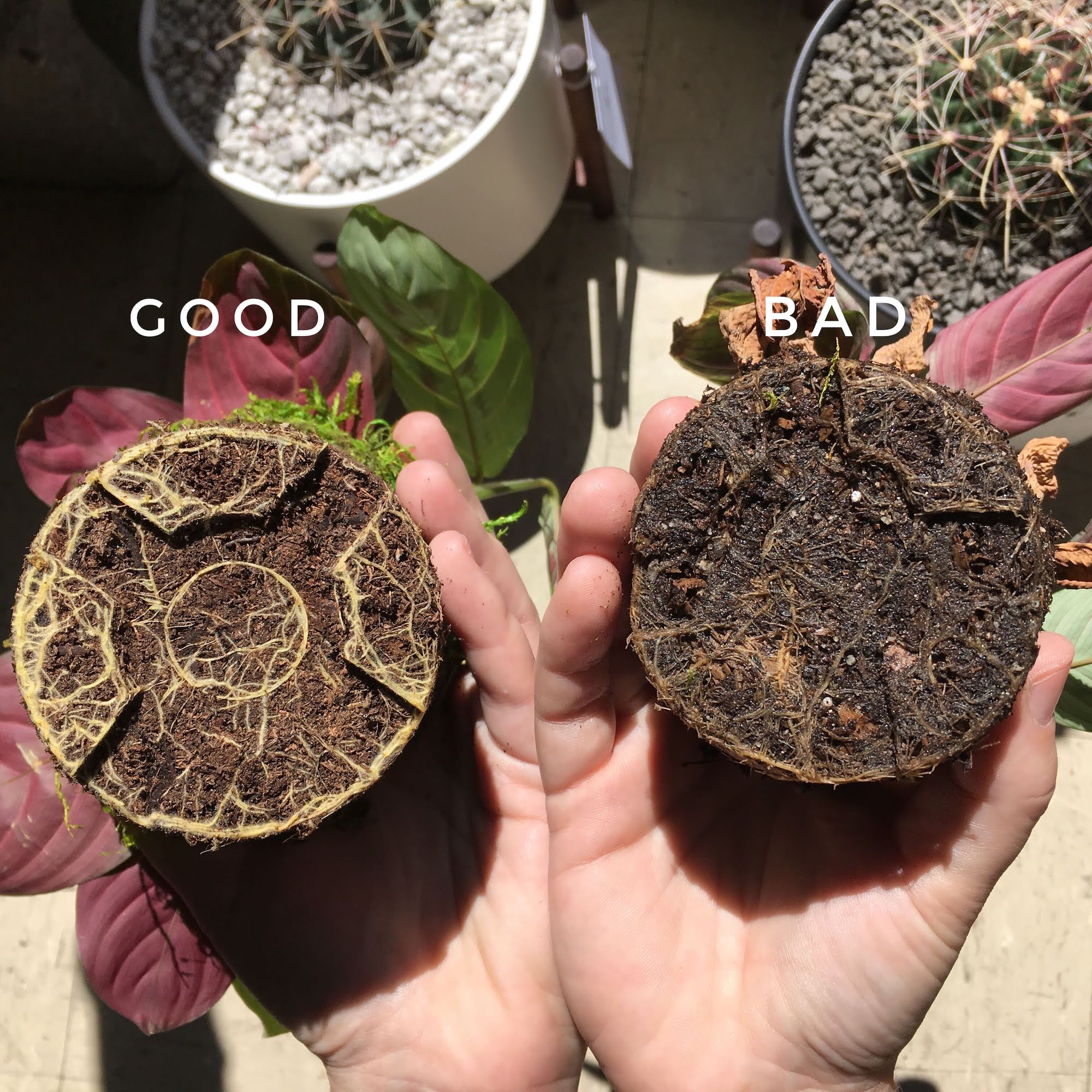
It’s essential to check for any signs of root rot, such as black or brown, mushy roots. This condition can quickly kill a plant if not addressed promptly.
How Do I Treat A Succulent With Mushy Leaves?
If you find your succulent with mushy leaves, the first step is to cut back on watering immediately. Allow the soil to dry out completely before the next watering session.
Additionally, removing the affected leaves can help prevent the spread of any potential rot or infection. Be sure to use sterile tools to avoid contaminating healthy tissue.
If root rot is present, you may need to repot your succulent in fresh, well-draining soil. Remove any rotten roots before replanting to give your succulent a fresh start. Be sure to use a pot with proper drainage holes.
After treating a succulent with mushy leaves, it’s crucial to adjust your watering routine to prevent future occurrences. This may involve watering less frequently or using a different method, such as bottom watering, to ensure the roots receive moisture without overwhelming the plant.
What Are Other Possible Reasons For Shriveling Leaves?
- Pest infestations, such as mealybugs or spider mites, can cause leaves to shrivel as they sap the plant of its vital juices.
- Lack of adequate light can lead to etiolation, where a succulent stretches out and the leaves may shrivel as they reach for a light source.
- Sudden changes in temperature or humidity can shock a succulent, resulting in shriveled leaves.
- Nutrient deficiencies can also lead to poor plant health and shriveled leaves, as the plant struggles to maintain its cellular structure without the necessary resources.
Addressing these issues may involve moving your succulents to a location with better light exposure, protecting them from temperature extremes, and ensuring they are free from pests. A balanced fertilization regimen can also help address nutrient deficiencies.
How To Prevent Succulent Leaves From Shriveling?
Preventative measures are key to maintaining the health of your succulents. Regularly monitoring your plants for any signs of stress can help you catch issues early.
Proper watering techniques are paramount. Succulents thrive on a soak-and-dry method, where the soil is allowed to dry out completely between waterings. This mimics the natural arid environments these plants originate from.
Using a well-draining soil mix and choosing the right pot size can also prevent overwatering. Be sure to provide your succulents with adequate lighting to prevent etiolation and keep them compact.
Finally, regular inspections for pests and diseases will enable you to take action before problems escalate. If you do encounter issues, treat them promptly to minimize damage.
Frequently Asked Questions About Succulent Care
How Do You Treat Wrinkled Succulent Leaves?
Wrinkled leaves on a succulent often require a closer look at your watering schedule. If the plant is underwatered, slowly reintroduce water to the soil until the leaves plump back up. If overwatering is the concern, allow the soil to dry and consider repotting if root rot is present.
Adjusting environmental factors such as lighting and temperature may also help. Provide bright, indirect sunlight and maintain a stable environment free from drastic changes.
Why Are My Succulent Leaves Shriveling?
Succulent leaves shrivel primarily due to improper watering, either too much or too little. Environmental stress, pest infestations, and nutrient deficiencies can also contribute to this issue.
Assessing the plant’s conditions and making the necessary adjustments in care will help restore your succulent’s vitality.

How Do You Fix Shriveled Succulents?
To fix a shriveled succulent, identify the cause of the stress and address it directly. Adjust your watering habits, ensure the plant receives proper lighting, and check for any signs of pests or diseases.
In some cases, repotting in a fresh soil mix can rejuvenate a succulent suffering from shriveled leaves.
What Does an Overwatered Succulent Look Like?
An overwatered succulent often has soft, mushy leaves that may be discolored. The plant may appear wilted and the soil may emit a musty odor, indicating excess moisture and potential root rot.
Addressing overwatering early can save your succulent from severe damage or death.
To further enhance your understanding of succulent care, consider watching this informative video:
Remember, the key to succulent health is mimicking their natural habitat—minimal water, substantial light, and well-draining soil. With patience and careful observation, you can prevent and treat succulent leaves shriveling and enjoy robust, vibrant plants year-round.