
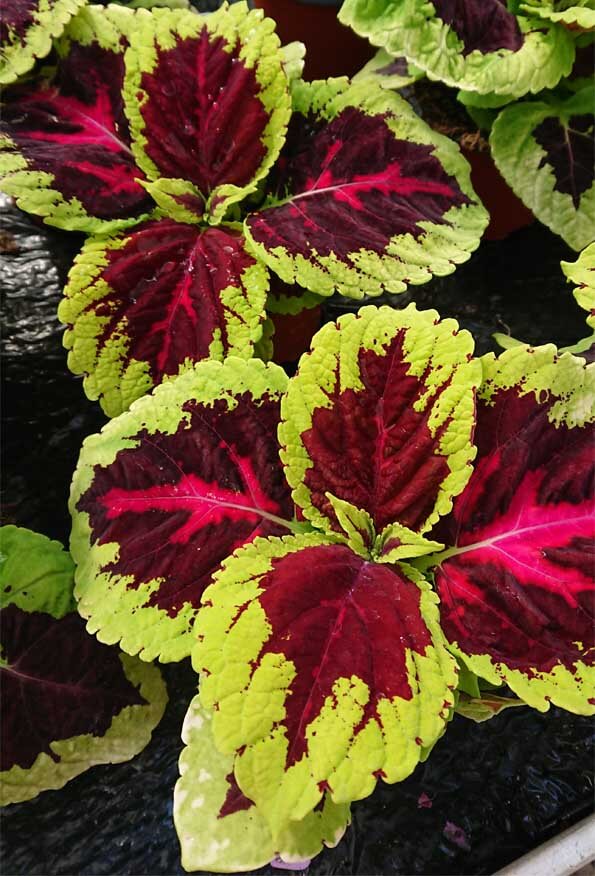
Discovering the vibrant and lush world of Plectranthus scutellarioides, also known as Coleus blumei, unveils a treasure trove of horticultural possibilities. This dynamic plant, with its riot of colors and patterns, has captured the hearts of gardeners and indoor plant enthusiasts alike.
Belonging to the family Lamiaceae and native to Southeast Asia and Australia, the Coleus blumei is a perennial ornamental that has found its way into many landscapes and homes. Its unique ability to add a splash of color where few other plants can thrive makes it an invaluable addition to any plant collection.
Table of Contents
- What is Plectranthus scutellarioides (Coleus blumei)?
- How to care for Plectranthus scutellarioides (Coleus blumei)?
- What are the common names for Coleus blumei?
- What is the ideal height for Plectranthus scutellarioides?
- What are the uses of Coleus scutellarioides?
- How to propagate Plectranthus scutellarioides (Coleus blumei)?
- Frequently Asked Questions About Coleus Blumei
What is Plectranthus scutellarioides (Coleus blumei)?
Plectranthus scutellarioides, widely known as Coleus blumei, is a species of evergreen perennial plant. Lush in appearance, it can reach a height of up to 75 cm, showcasing leaves that come in a kaleidoscope of colors. Initially described by Linnaeus, its striking visual appeal lies in its variegated foliage, rather than in its flowers, which are comparably less showy.
The plant’s leaves exhibit a remarkable variability in hue and form, depending on the light they receive. This variability is due to a mix of pigments, including chlorophyll and anthocyanins. The beauty of Coleus blumei is a result of both its natural genetics and the many cultivars that have been developed over the years.
As a member of the Lamiaceae family, this ornamental shrub shares lineage with many other aromatic herbs and is closely related in appearance to the genus Scutellaria. Its semi-succulent stems and small, less ostentatious flowers, which bloom from summer to autumn, add to its distinctive qualities.
How to care for Plectranthus scutellarioides (Coleus blumei)?
To ensure your Coleus blumei thrives, it is crucial to understand its care requirements. This tropical plant prefers rich, moist soils and can tolerate a range of light conditions from partial to full shade. However, too much direct sunlight can cause the leaves to fade or even scorch.
When it comes to watering, Coleus blumei likes consistent moisture but cannot withstand waterlogged soil. Ensure the potting mix is well-draining to prevent root rot. During the growing season, feeding the plant with a balanced fertilizer will promote vibrant foliage growth.
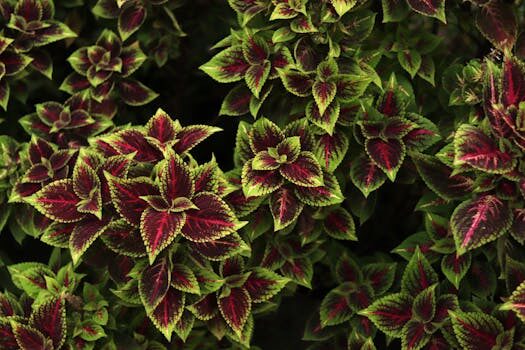
Pruning is also beneficial for maintaining a bushy and attractive plant shape. It is generally low-maintenance, and with the right conditions, it can be a hardy addition to your plant collection.
What are the common names for Coleus blumei?
Coleus blumei is known by various names that reflect its diverse and colorful appearance. Some of the most popular common names include Painted Nettle, Flame Nettle, and simply Coleus. These names emphasize the plant’s vibrant leaf patterns that resemble a flame or the intricate strokes of a paintbrush.
The term “Coleus” has become the most widely recognized moniker, used informally to refer to several related species within the Plectranthus genus that display similar colorful foliage.
What is the ideal height for Plectranthus scutellarioides?
The ideal height for Plectranthus scutellarioides varies depending on its growing conditions and the specific cultivar. Generally, the Coleus blumei can reach a height of up to 3 feet (approximately 75 cm). This height allows the plant to fully showcase its vibrant leaves, which are the main attraction of this species.
Gardeners can manipulate the height and shape of their Coleus plants through regular pruning. By pinching back the growing tips, you encourage a more compact and bushy growth habit, which can be desirable for container planting or formal garden designs.
What are the uses of Coleus scutellarioides?
The uses of Coleus scutellarioides in gardening and landscaping are numerous due to its decorative foliage. The plant is commonly used in:
- Borders and bedding designs to provide a pop of color.
- Container gardens, where it can be the focal point or a complementary plant.
- Indoor spaces, as it can thrive with indirect light and adds aesthetic appeal.
Additionally, Coleus blumei is sometimes used in traditional medicine, though these uses are less common and not as widely recognized as its horticultural applications.
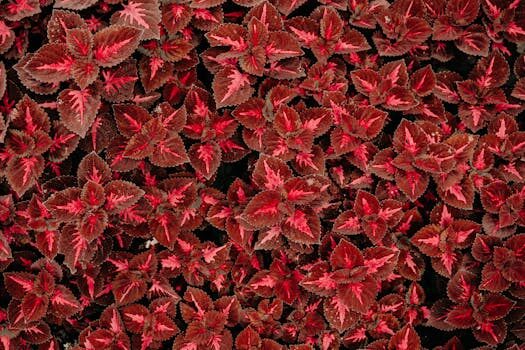
How to propagate Plectranthus scutellarioides (Coleus blumei)?
Propagating Coleus blumei is relatively straightforward and can be done through stem cuttings. Here’s a simple guide to propagate your Coleus:
- Cut a 3-4 inch section of stem just below a leaf node.
- Remove the lower leaves to expose the nodes.
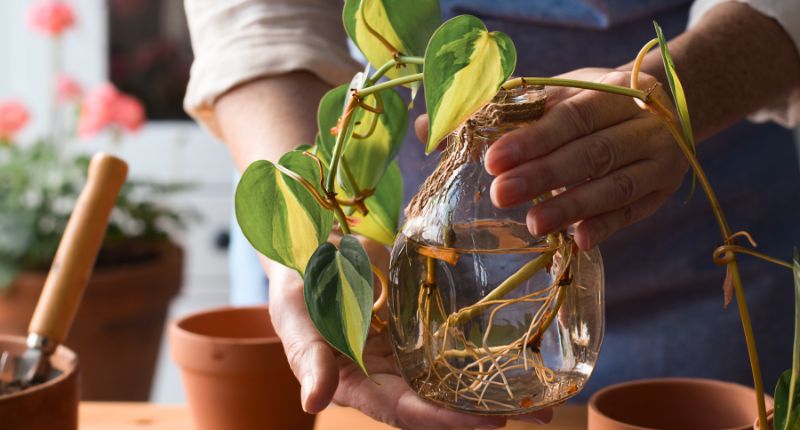
- Place the cutting in water or directly into a pot with moist potting mix.
- Keep the soil or water consistently moist until roots develop.
- Once rooted, plant the cutting in a pot and care for it as you would a mature Coleus plant.
This method allows gardeners to quickly and easily multiply their Coleus collection, ensuring a continuous display of color throughout the growing season.
Before continuing, let’s take a moment to view a short but informative video that showcases the splendor of Coleus blumei and offers some practical tips for its care.
Frequently Asked Questions About Coleus Blumei
Do coleus scutellarioides like sun or shade?
Coleus scutellarioides is versatile when it comes to light preferences. It generally thrives in partial shade but can also adapt to full shade conditions. While some cultivars can tolerate more sun, too much direct sunlight can bleach the leaves, reducing their vibrant coloration. To keep your Coleus’s foliage bright and healthy, aim for bright, indirect light or dappled shade.
Remember that the intensity of the leaf color can be influenced by the amount of light the plant receives. So, finding the right balance is key to showcasing the plant’s beautiful foliage.
Will coleus come back every year?
Although Coleus blumei is a perennial in its native tropical climate, it is often grown as an annual in temperate regions. If you live in an area with cold winters, the plant will not survive outdoors. However, you can overwinter Coleus indoors or take cuttings to propagate new plants each year.
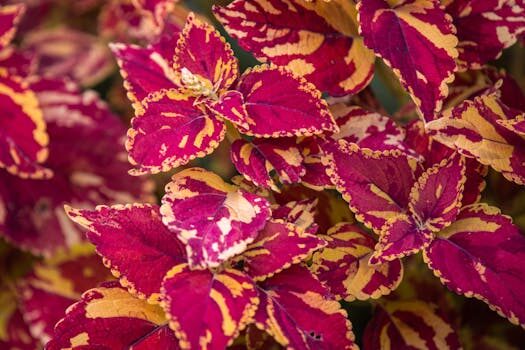
In regions without frost, with proper care, Coleus can come back year after year, but it may require rejuvenation through pruning or propagation to maintain its vigor.
What is the difference between coleus and plectranthus?
The difference between Coleus and Plectranthus lies mainly in their botanical classification. While both are part of the Lamiaceae family, they are distinct genera. Coleus has been the common name used for species within the Plectranthus genus that have similar colorful foliage, although recent taxonomic changes have moved many plants formerly classified as Coleus into the Plectranthus genus.
The main distinction is found in their flower structure and growth habit. Plectranthus typically has more understated flowers and a growth pattern that is more sprawling or cascading, while Coleus is prized for its vibrant leaves and more upright stature.
How do you care for Plectranthus coleus?
To care for Plectranthus coleus, provide the plant with well-draining soil, consistent moisture, and bright, indirect light or partial shade. Fertilize during the growing season with a balanced fertilizer to encourage lush foliage growth. Regular pruning will help maintain the desired shape and size, as well as encourage fuller growth.
Keep an eye out for common pests such as aphids and spider mites, and treat any infestations promptly to keep your plant healthy. During the winter months, if grown indoors, reduce watering and stop fertilizing until spring to allow the plant to rest.
By thoroughly understanding the care needs of Plectranthus scutellarioides (Coleus blumei), gardeners and plant enthusiasts can enjoy the full potential of this stunning plant. With its easy propagation, low maintenance, and spectacular display of colors, Coleus blumei remains a favorite in the world of ornamental plants. Whether grown indoors or out, its vibrant presence is sure to brighten any space and captivate all who behold it.

I love how you’ve broken down everything about Coleus blumei in such an easy-to-follow guide! It’s so cool to learn how versatile this plant is with its stunning colors and adaptability. I’m definitely inspired to add some of these to my indoor garden for that extra pop of color. Thanks for sharing such detailed care tips—can’t wait to see how mine turn out!